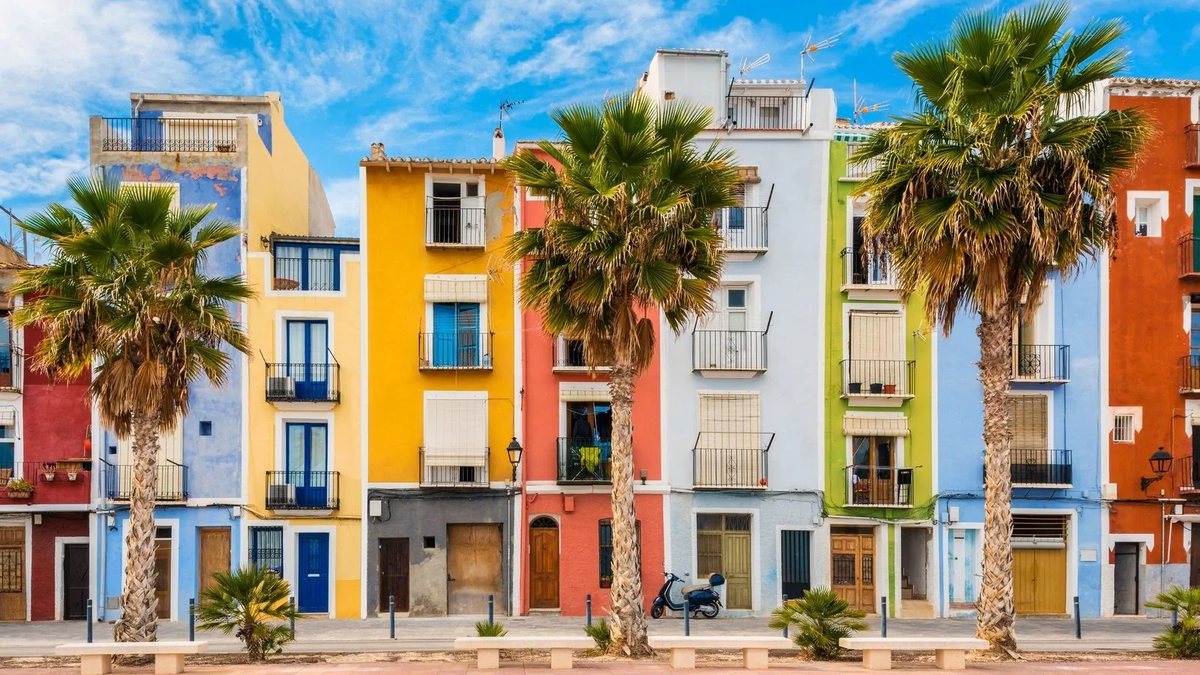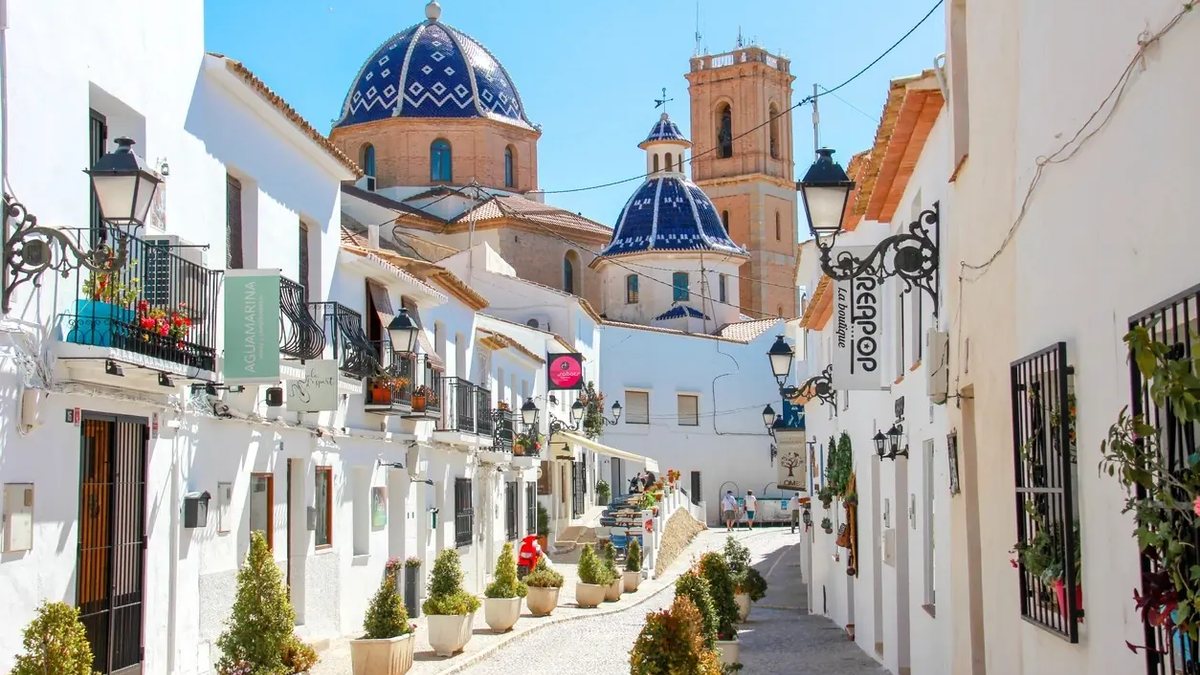
Alicante is the capital of the Costa Blanca and above all a real city. Around 350,000 people live here all year round, with a university, markets, museums and a long festival calendar. And yet it’s only a short walk from a café to the sea.
Santa Bárbara: the city from above
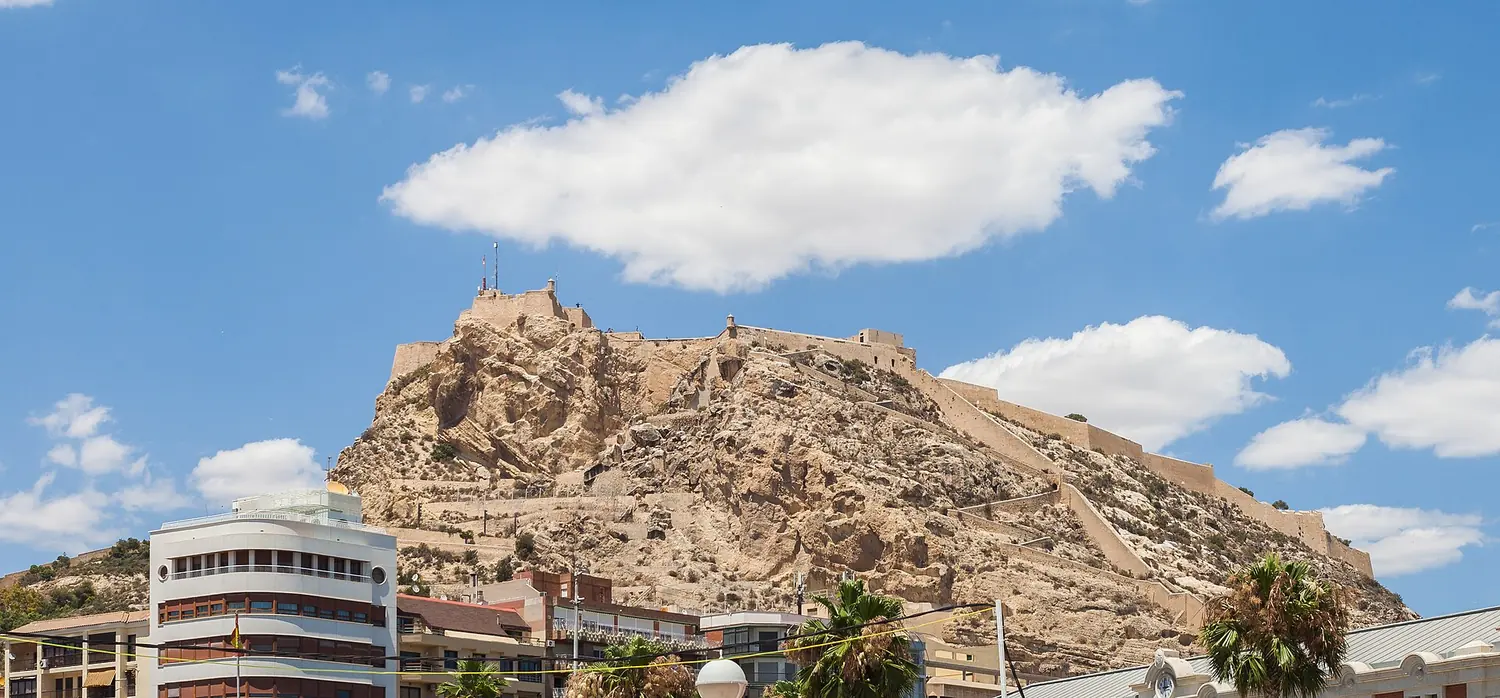
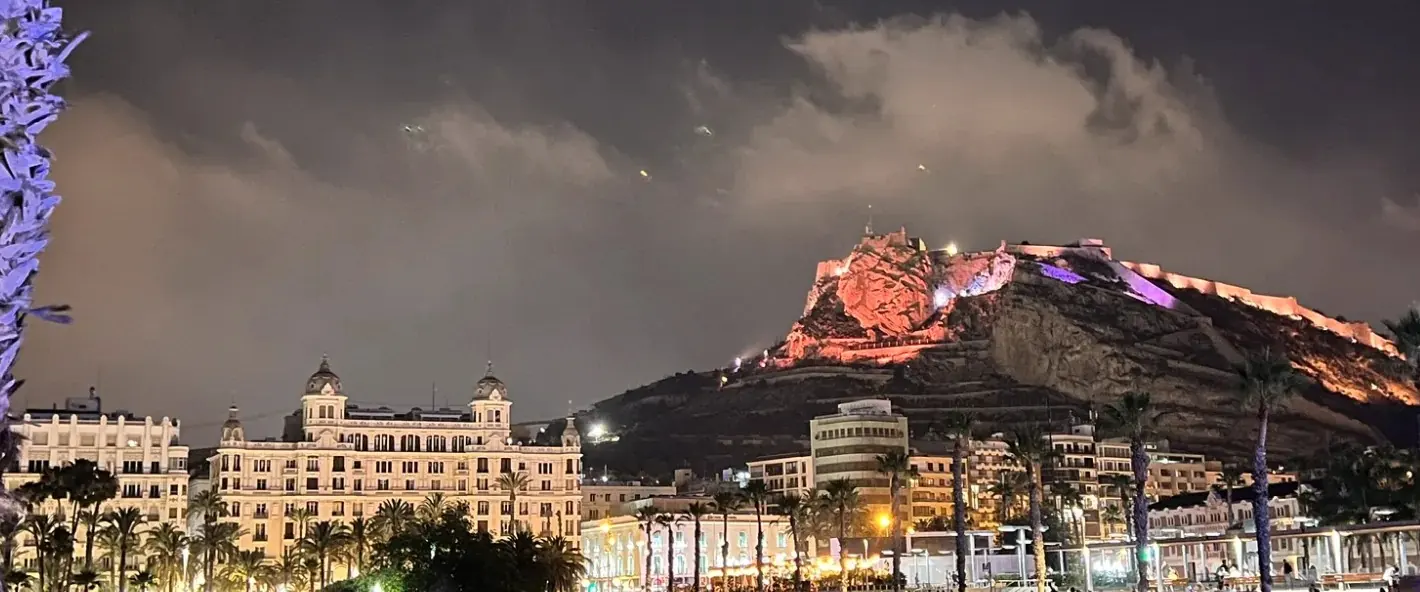
On the 166-metre Benacantil stands one of Spain’s largest medieval fortresses. Three levels from three eras lie on top of one another: at the top the remains from the 14th century, below them the 16th-century works with the Philip II hall and parade ground, and at the bottom the 18th-century section.
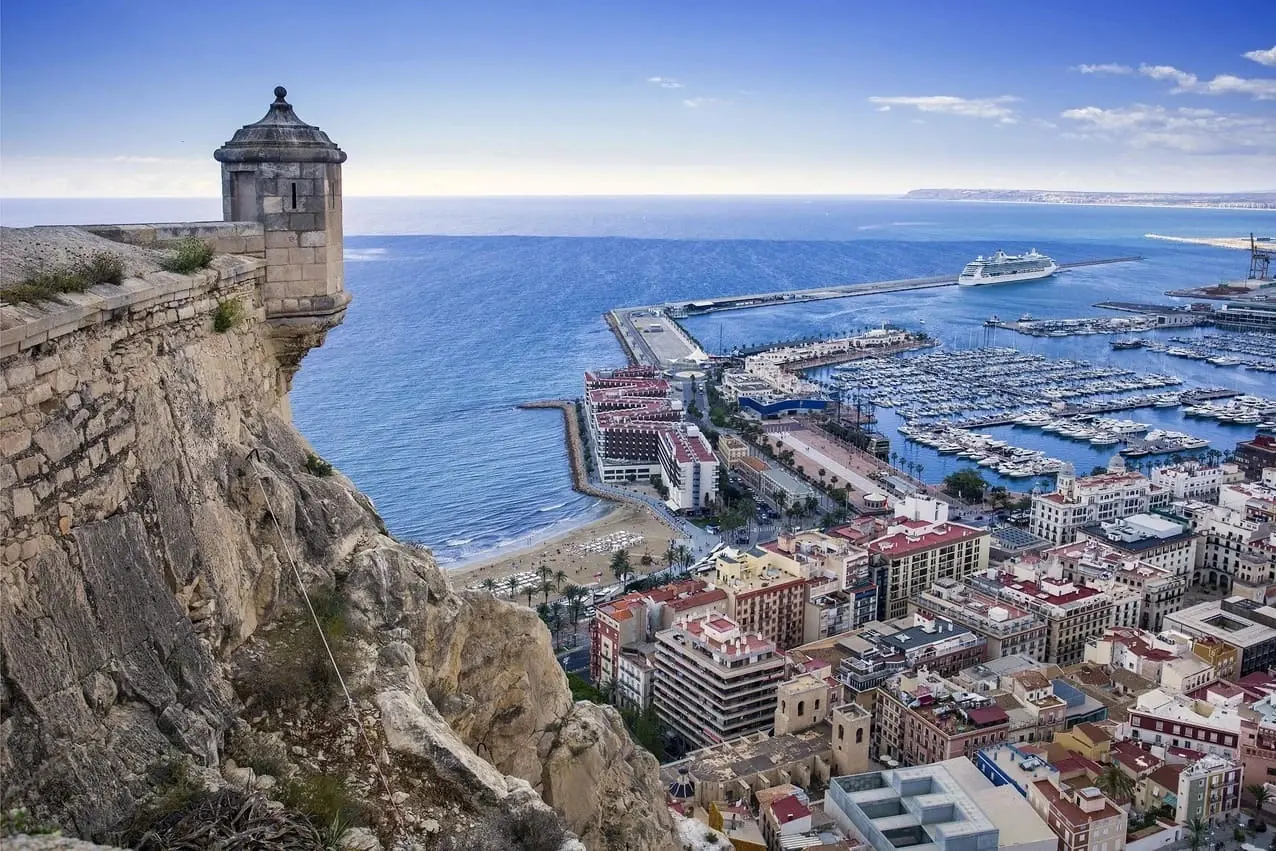
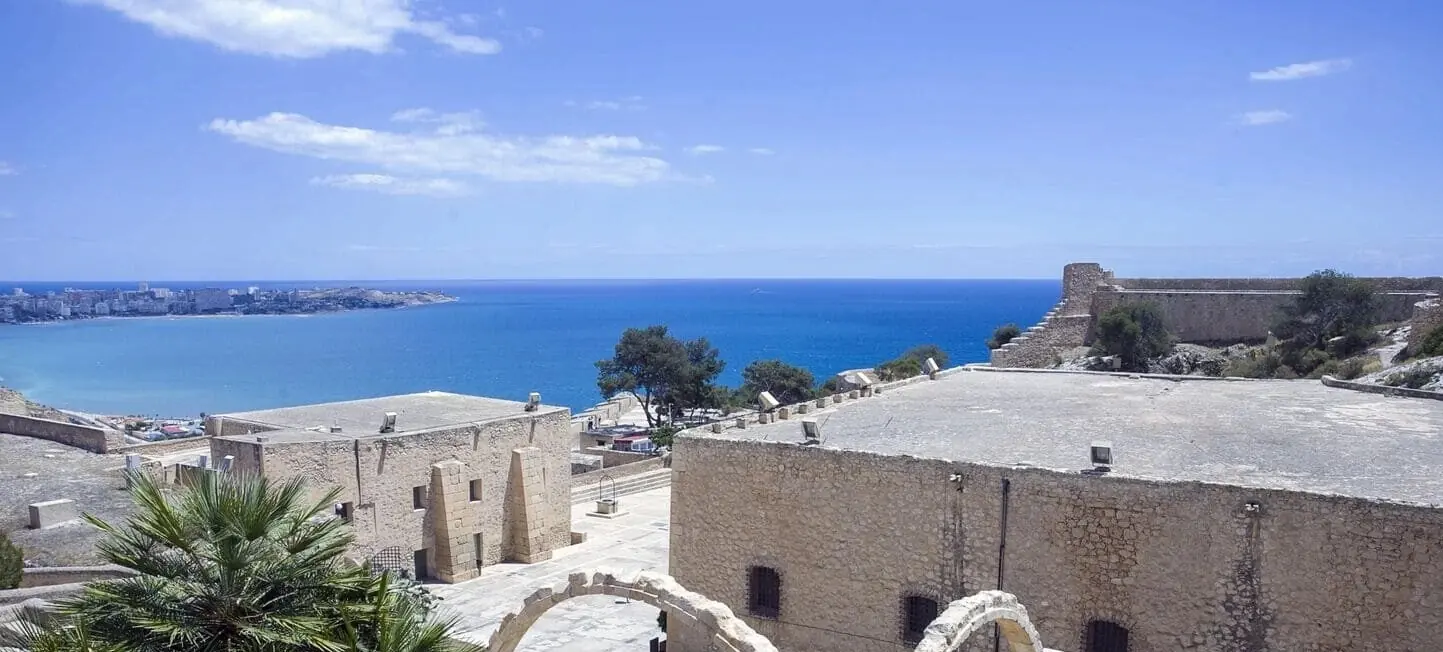
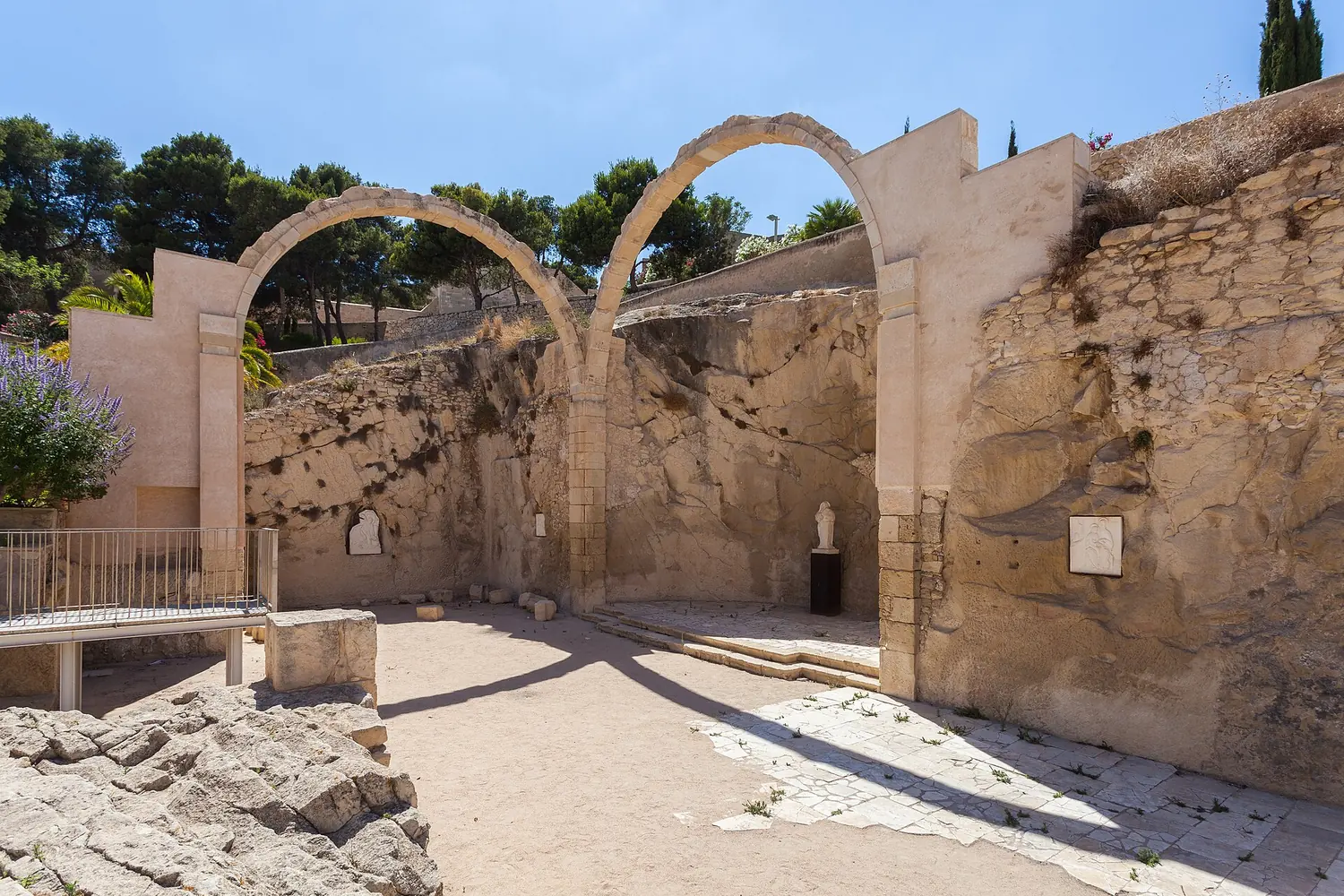
The easiest way up is the lift opposite Postiguet beach. On foot, the route leads through the Parque de la Ereta. At the top, enjoy the view over the bay; the MUSA city museum in the castle is free. Admission to the castle is free, and the lift costs €2.70 (as of November 2026). You can’t drive up in your own car: access is reserved for taxis, minibuses and service vehicles. Allow at least one to two hours.
Take the lift up and walk down: the path leads you straight into the Santa Cruz quarter.
Santa Cruz, old town and Explanada
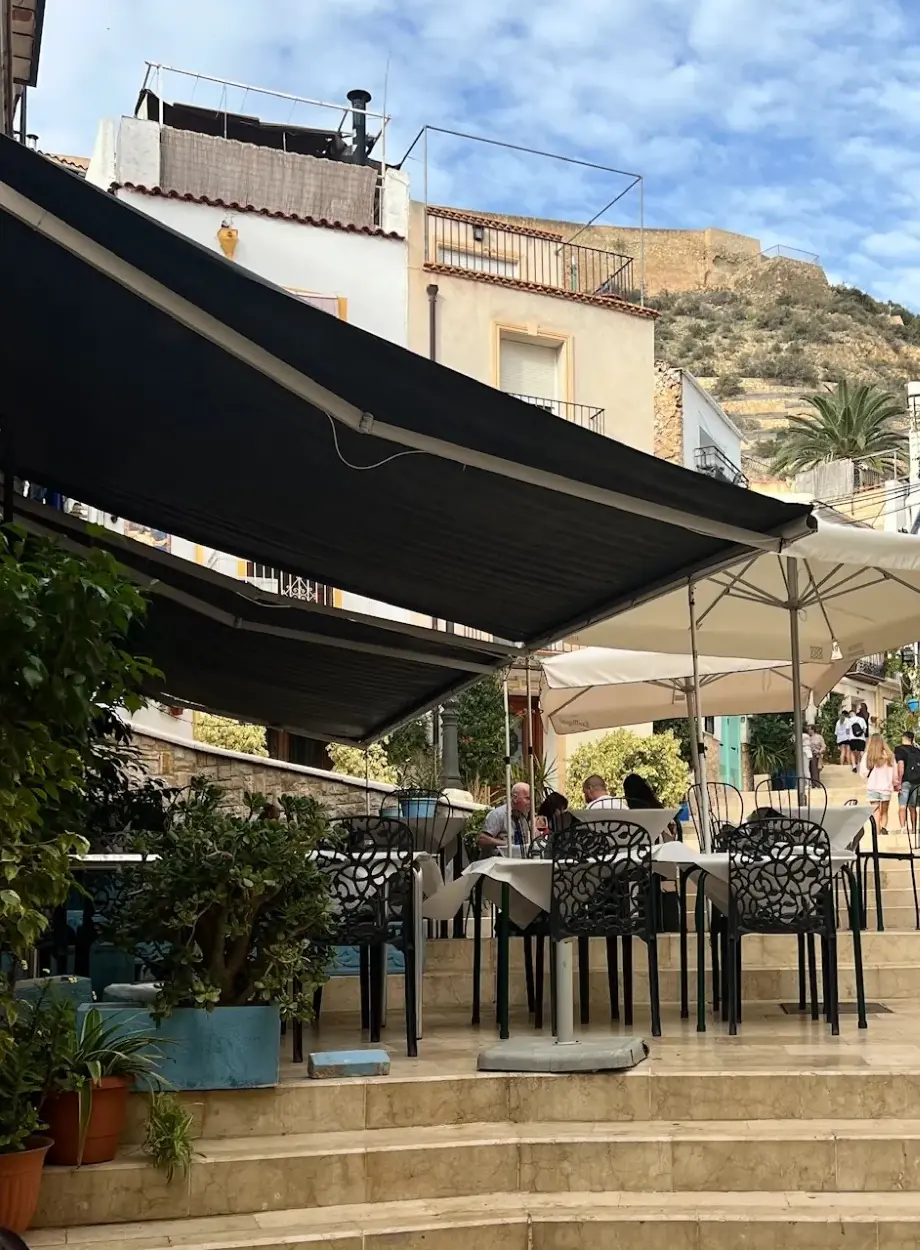
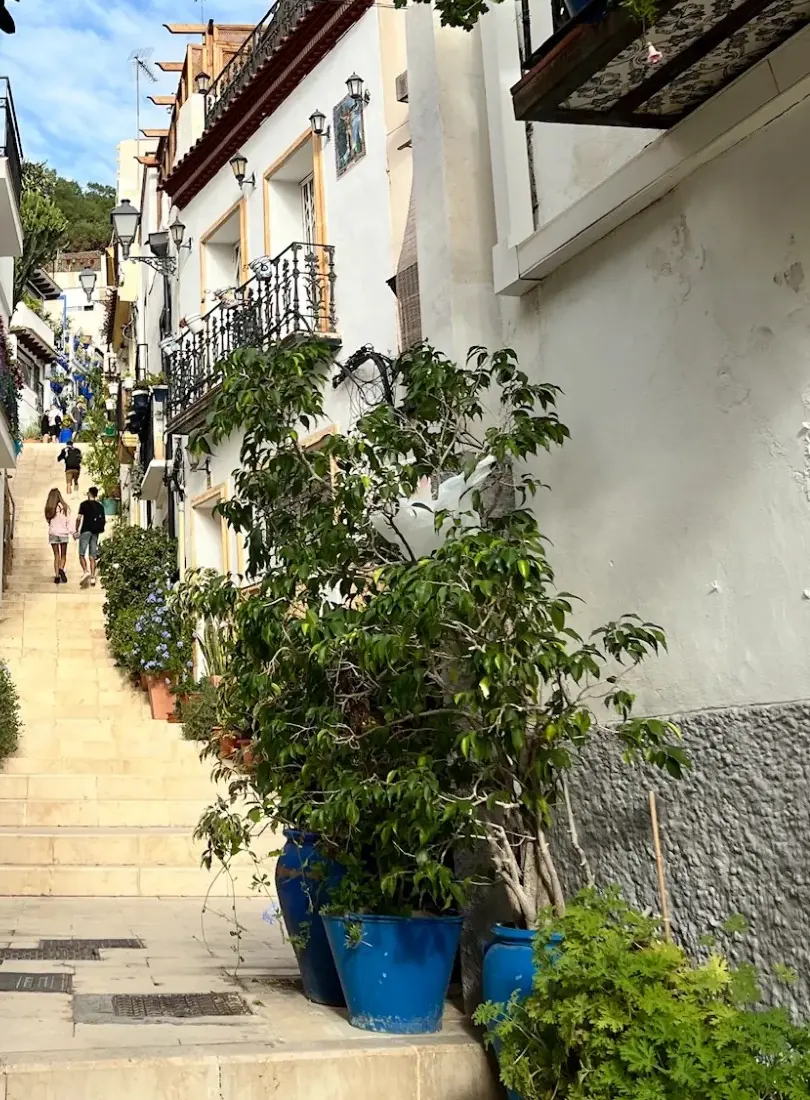
Directly below the castle lies Santa Cruz, the oldest and most colourful quarter: steep lanes, steps and flower pots on the façades. From the mirador beside the hermitage you see the old town, harbour and sea. In spring, neighbours decorate the streets for the May Crosses festival.
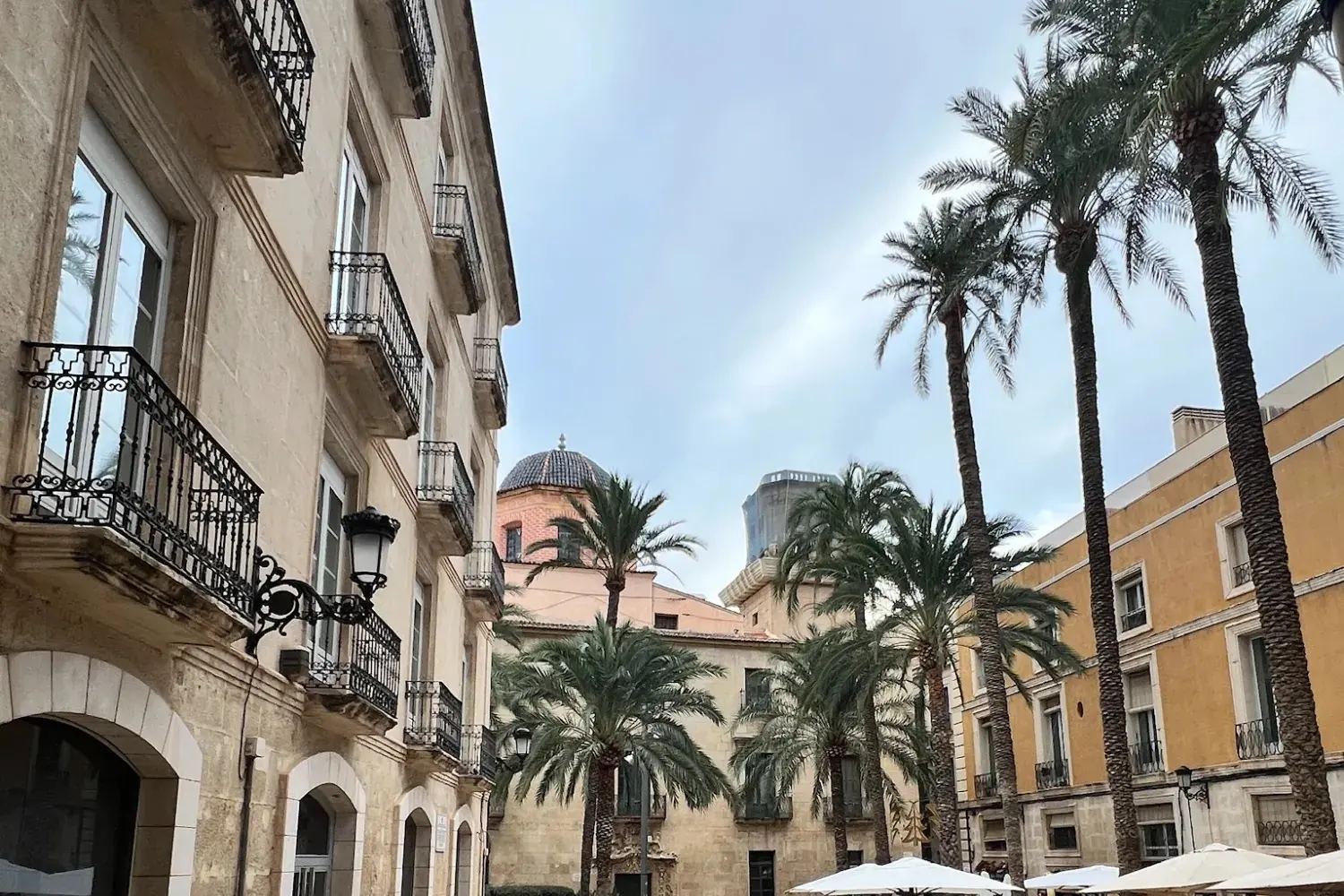
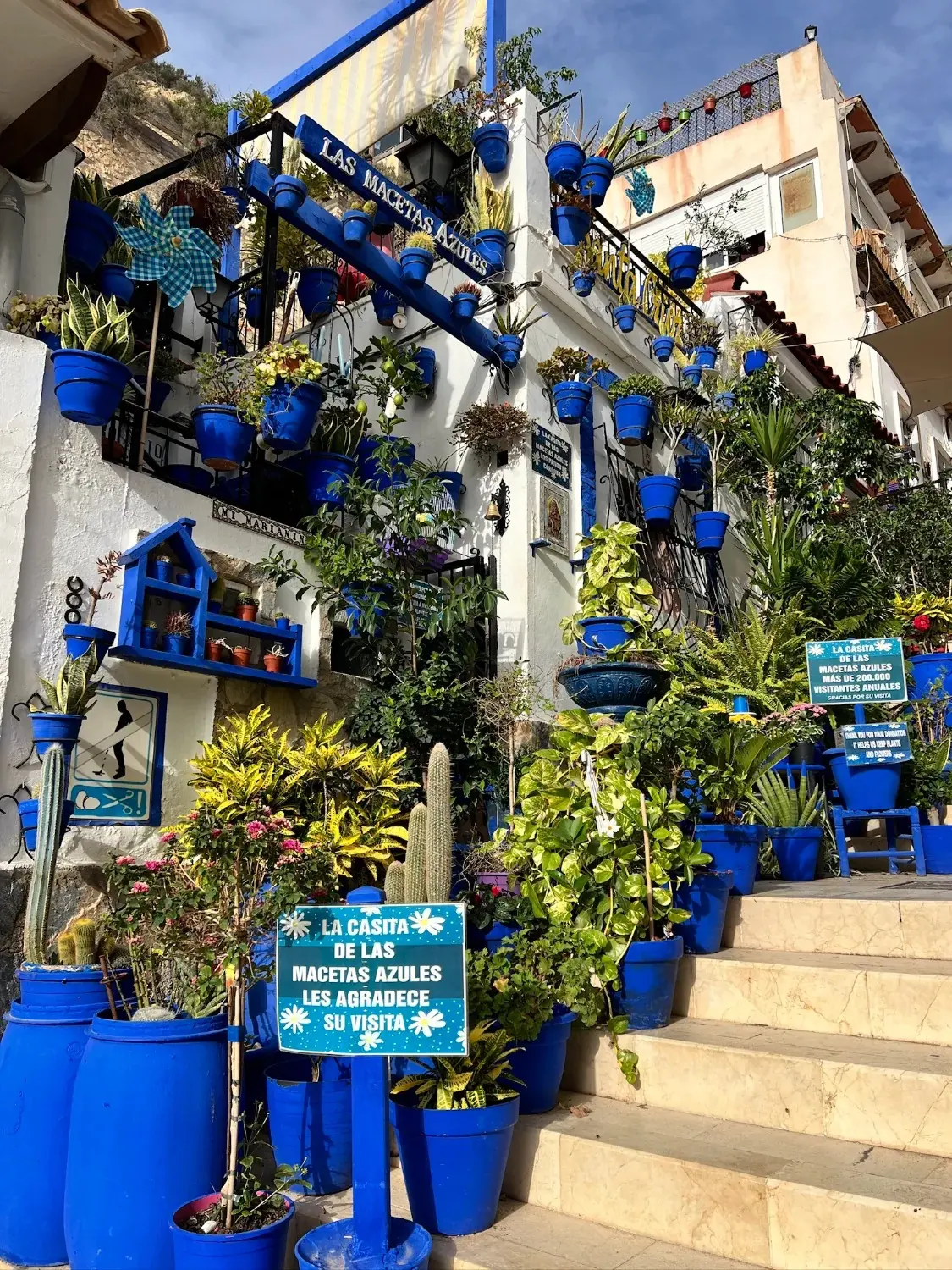
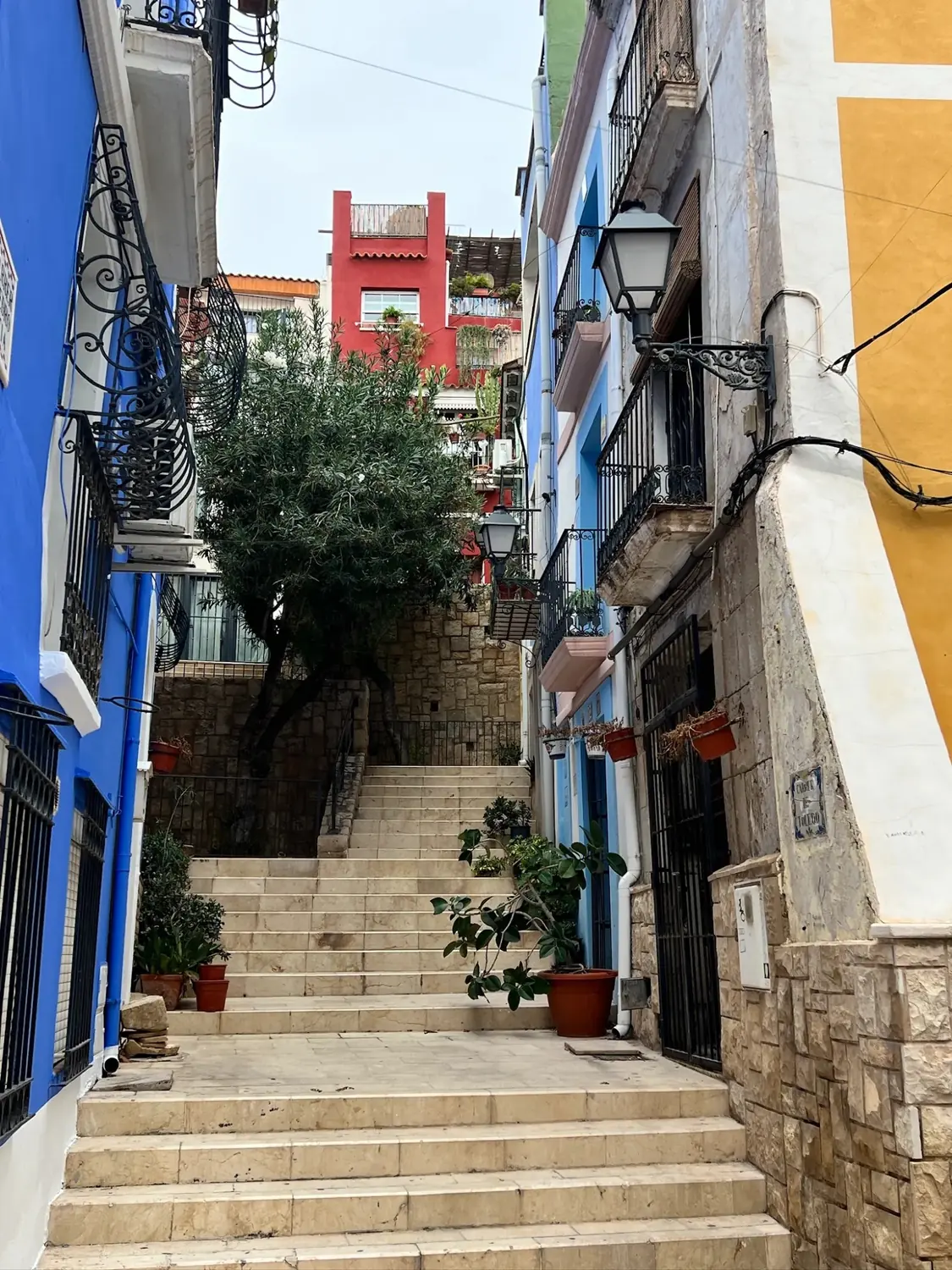
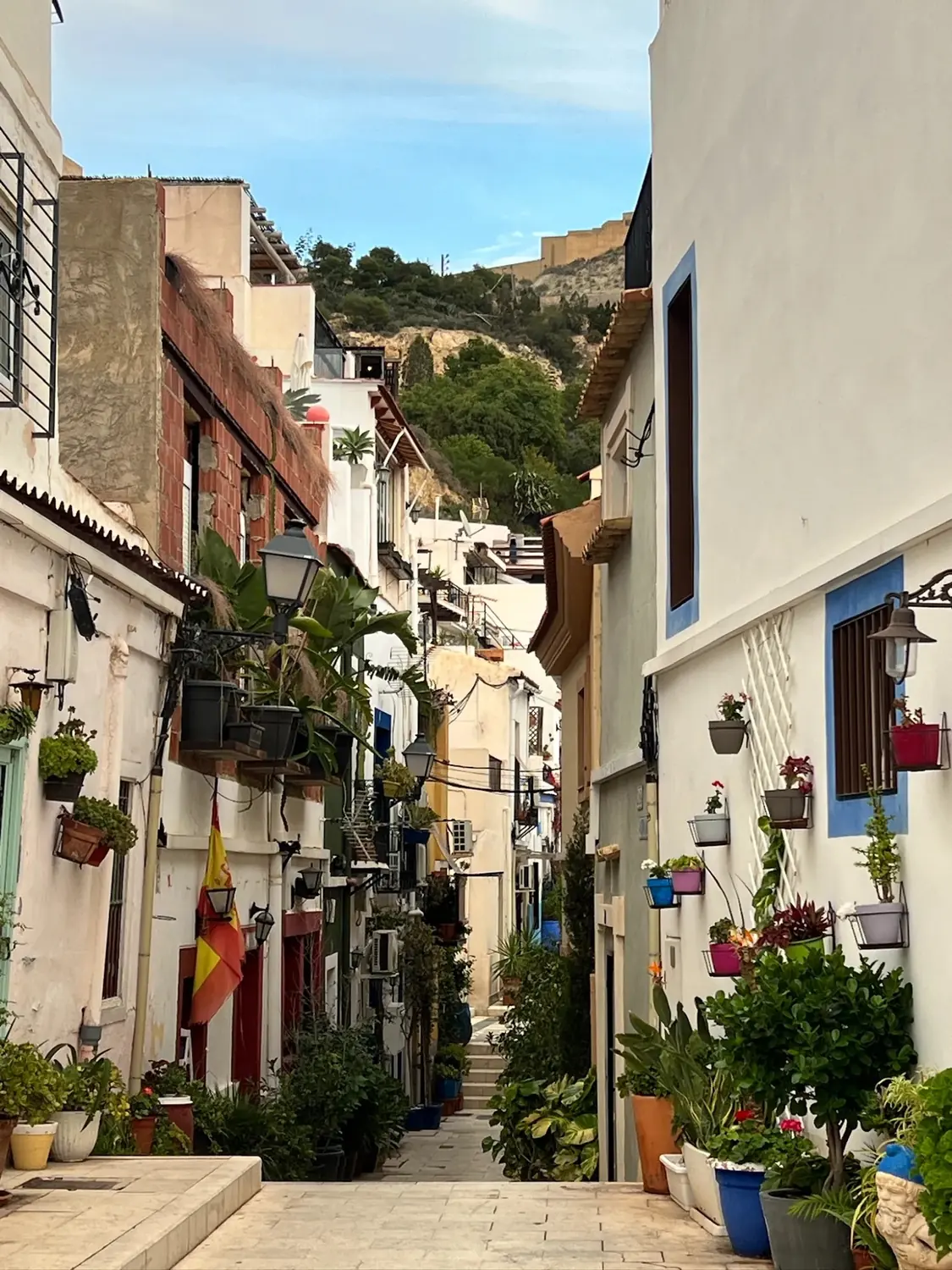
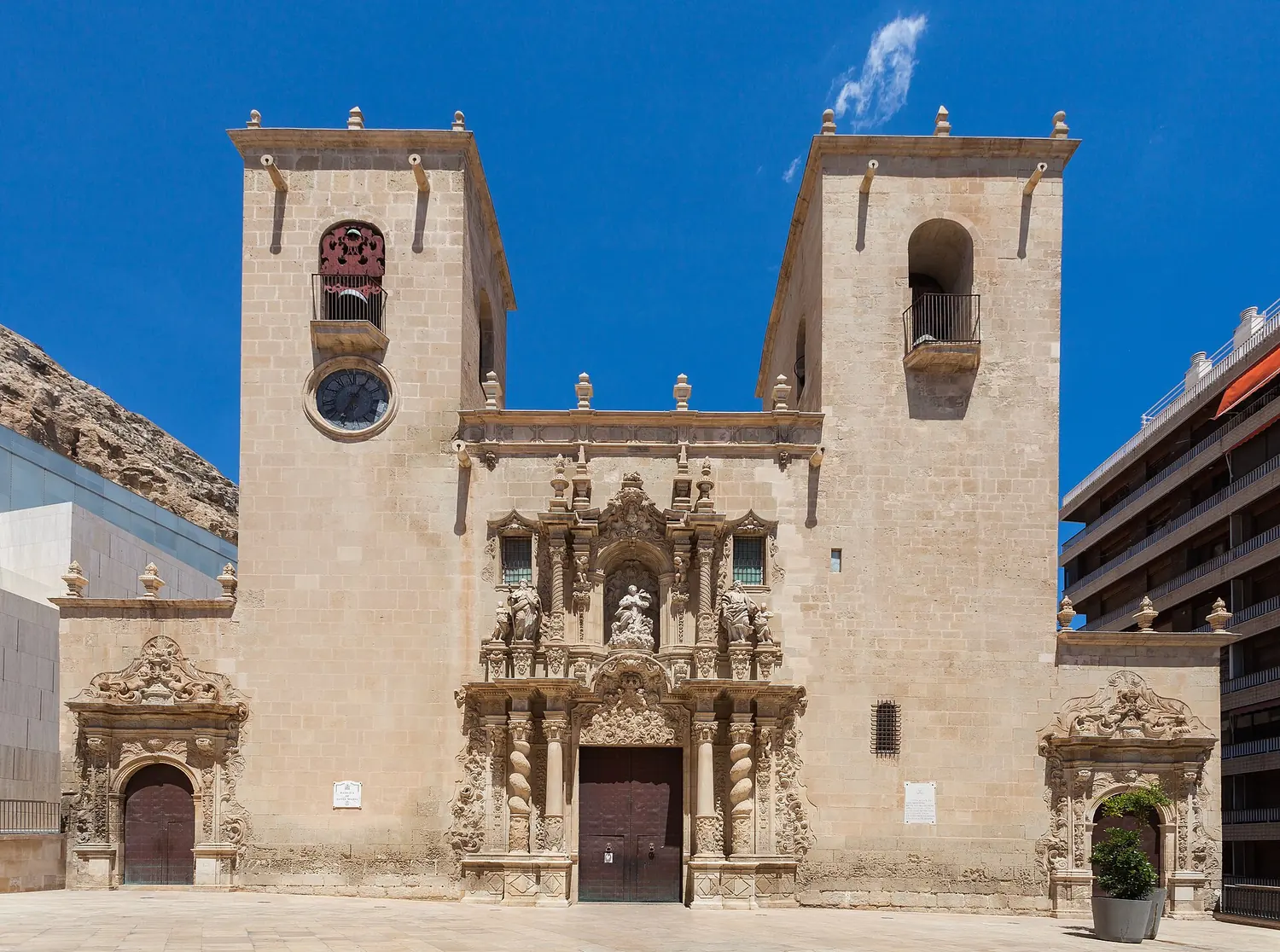
A few steps further stand the old town’s two great churches: the Gothic Basilica of Santa María, the city’s oldest church, built on the remains of a mosque, and the Co-Cathedral of San Nicolás with its blue dome.
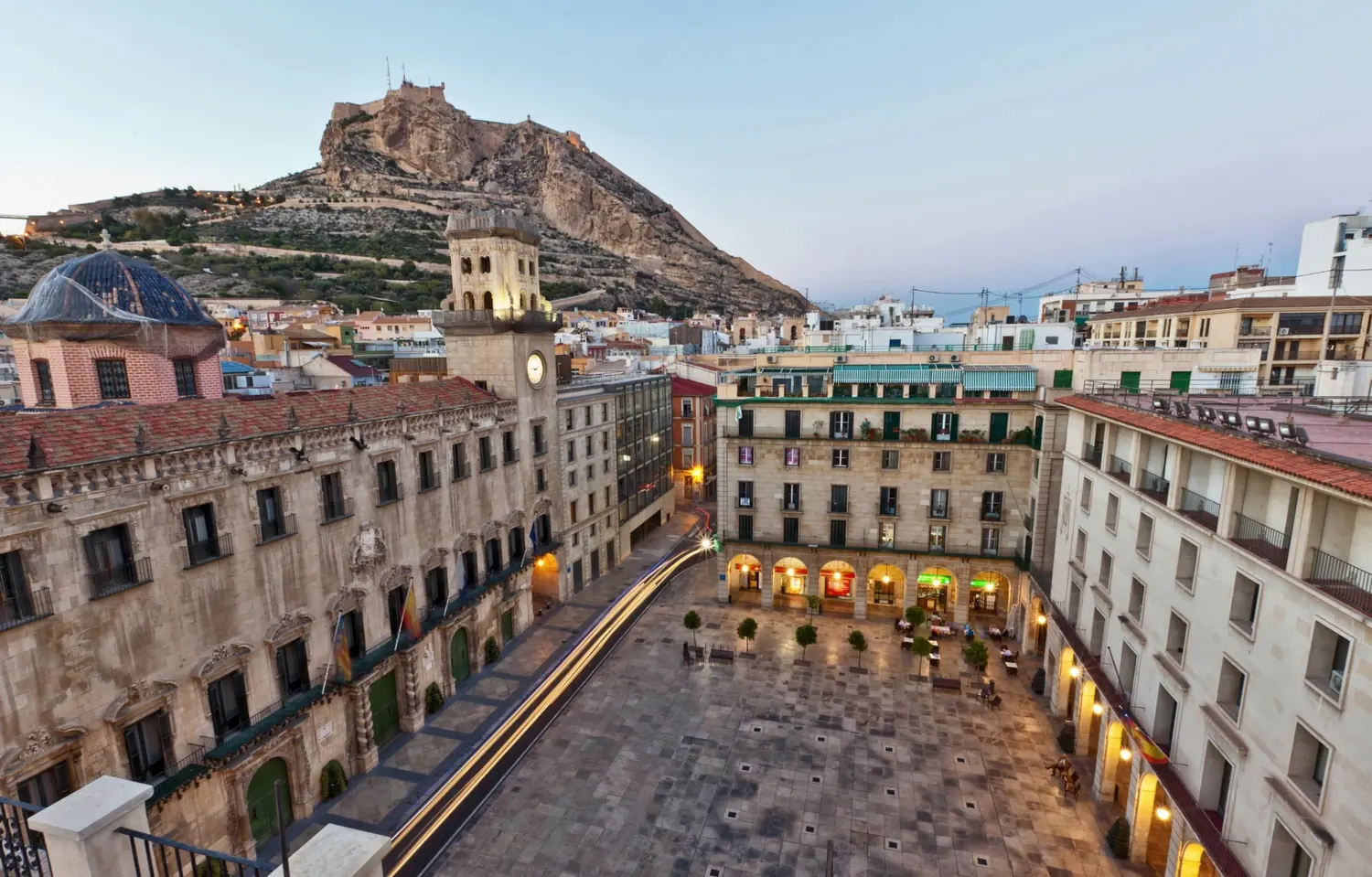
On the town hall square Alicante shows its festive side. The baroque town hall dates from the 18th century. On its steps is the “Cota Cero”, the point from which height above sea level is measured in Spain.
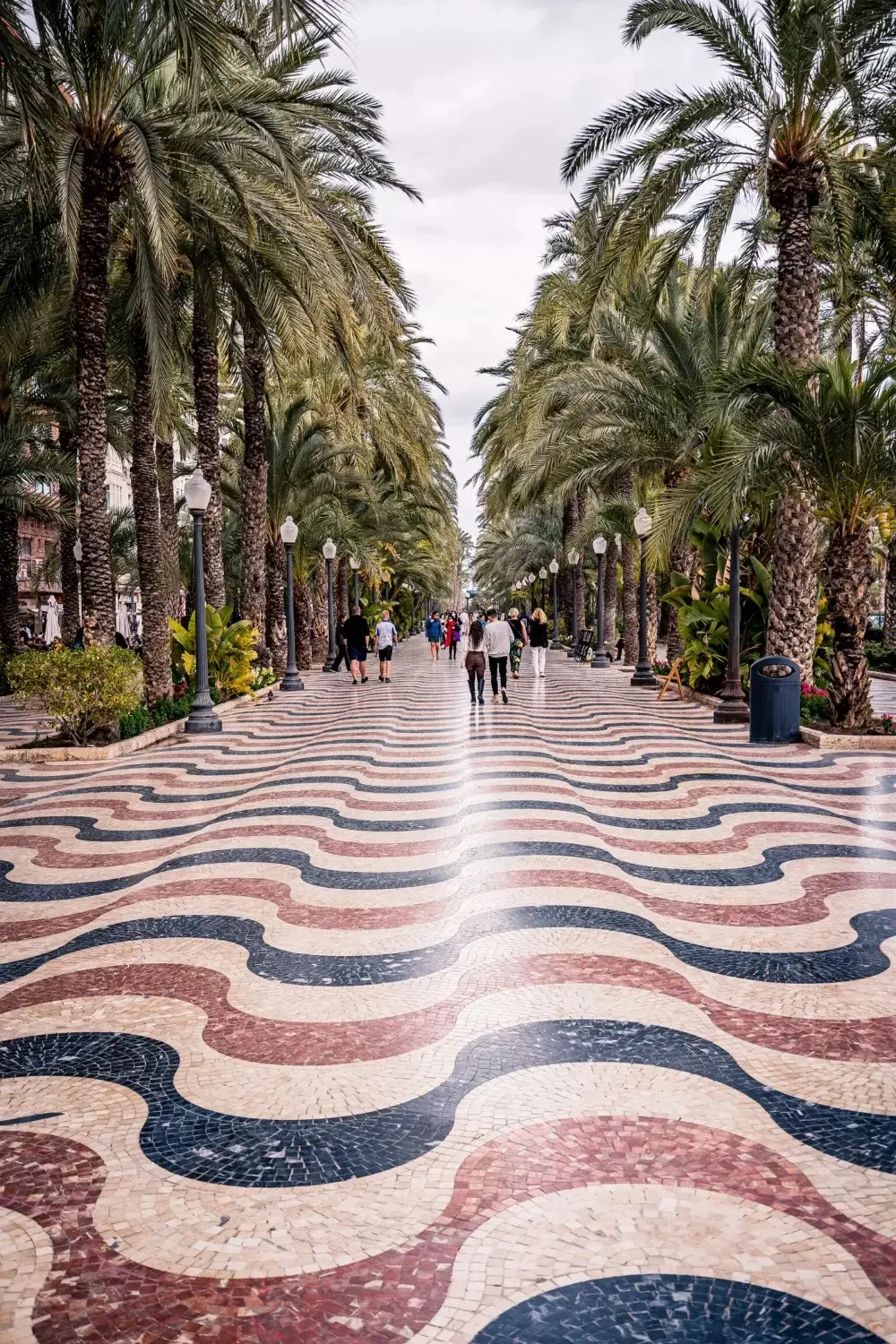
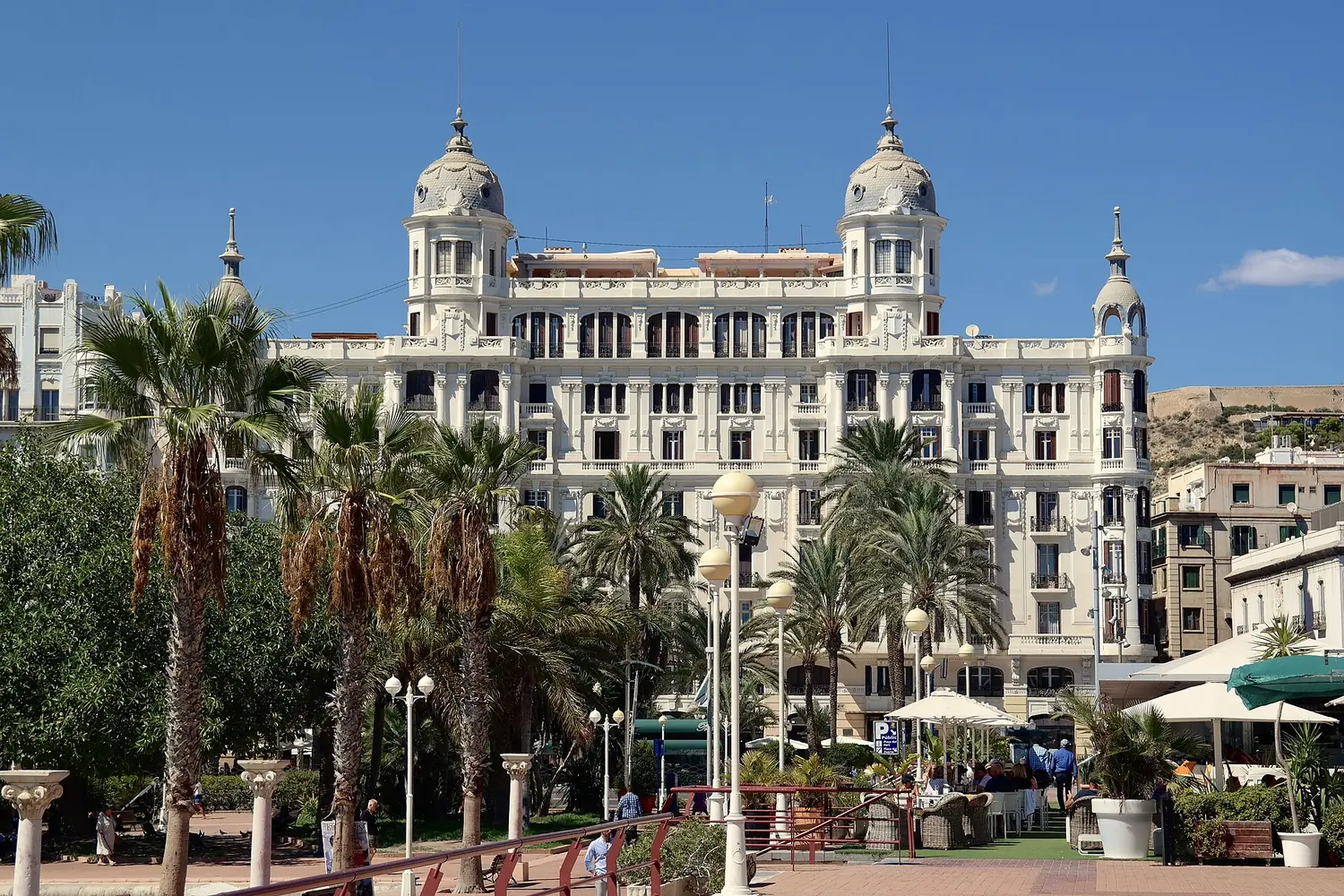
Then the city opens towards the harbour: the Explanada de España is Alicante’s living room, a palm-lined boulevard whose more than six million marble tiles recreate the waves of the sea. At its end stands the splendid Casa Carbonell. Walk on to the Levante quay and you reach the Paseo Volado, a raised promenade 350 metres long with views over the city and bay, especially lovely at sunrise and sunset.
Right in the centre, Calle San Francisco, known as Calle de las Setas, comes as a surprise: giant mushroom figures have stood in this pedestrian street since 2013. For a photo without the crowds, come early in the morning.
Our walk
- Barrio de Santa Cruz: down through the lanes from the top.
- Santa María and San Nicolás: the old town’s two great churches.
- Town hall square and Rambla: today’s city centre.
- Explanada: under the palms to the Casa Carbonell.
From city beach to cove
Alicante offers beaches for every day: fine sand in the city, a long beach to the north and rocky coves in between. The big beaches are well equipped in season and partly accessible, and several fly the Blue Flag. Dogs are only allowed on the sand from 1 November to 1 March; for the summer season, Agua Amarga beach has its own offer for dogs.
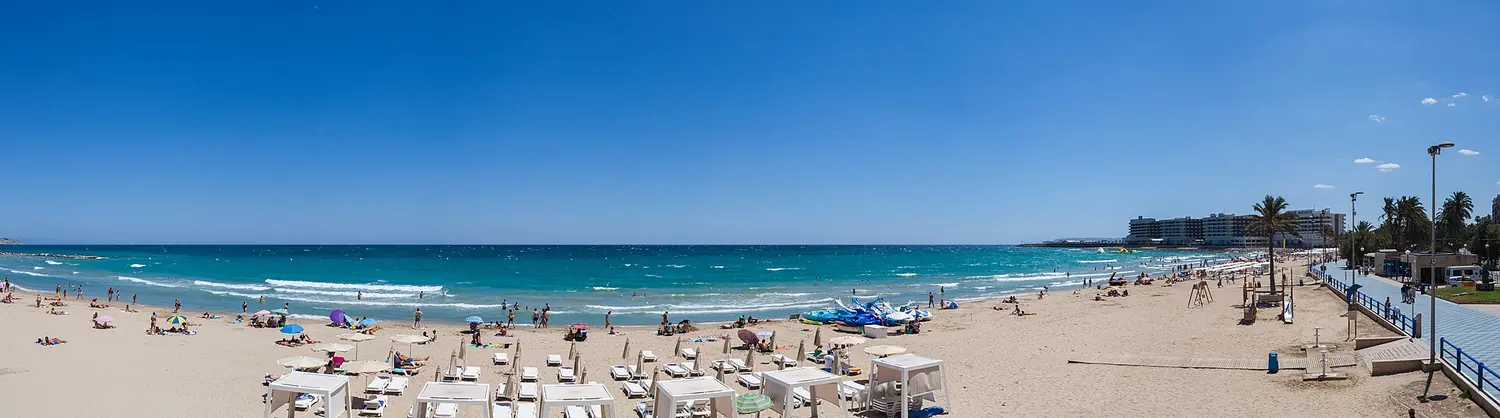
Four favourites – from the centre to the island
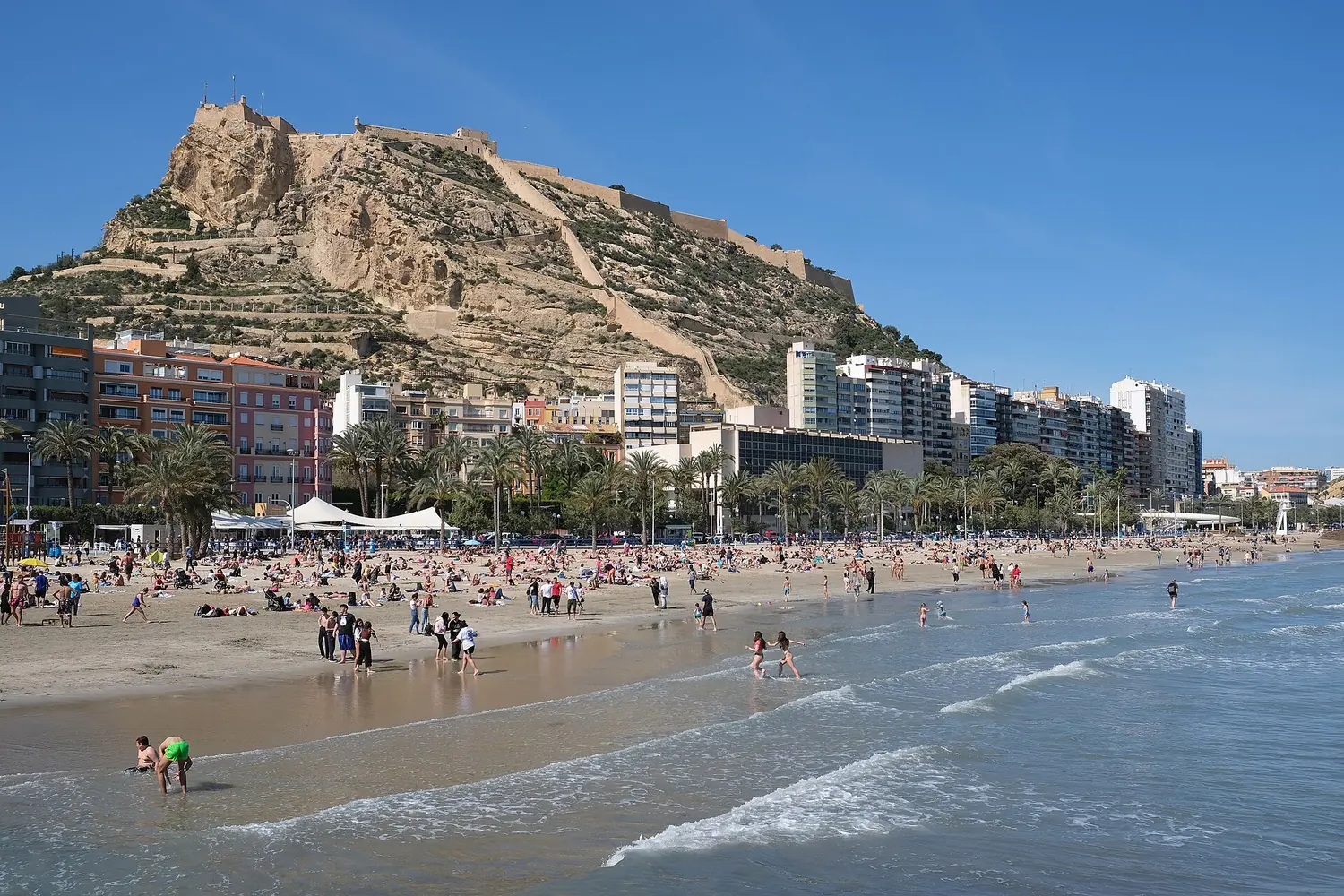
Around 900 metres of fine sand right below the castle, a few steps from the Explanada. Convenient, but busy in summer and at weekends.
Photo: kallerna · CC BY-SA 4.0 / Wikimedia Commons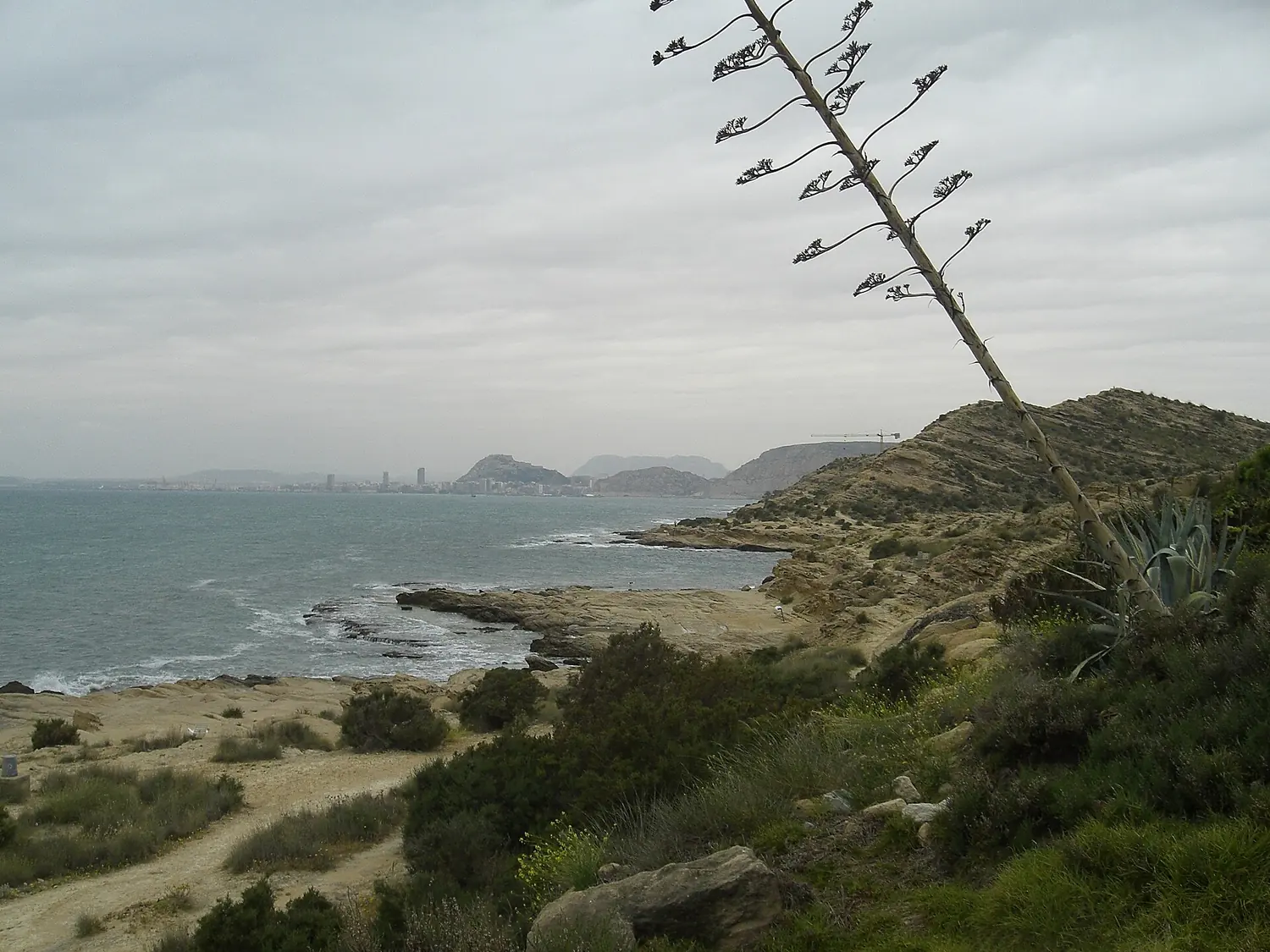
Small coves such as La Palmera with its lighthouse, Cantalares and Los Judíos – ideal for snorkelling and a quieter day.
Photo: Kasiber · Public domain / Wikimedia Commons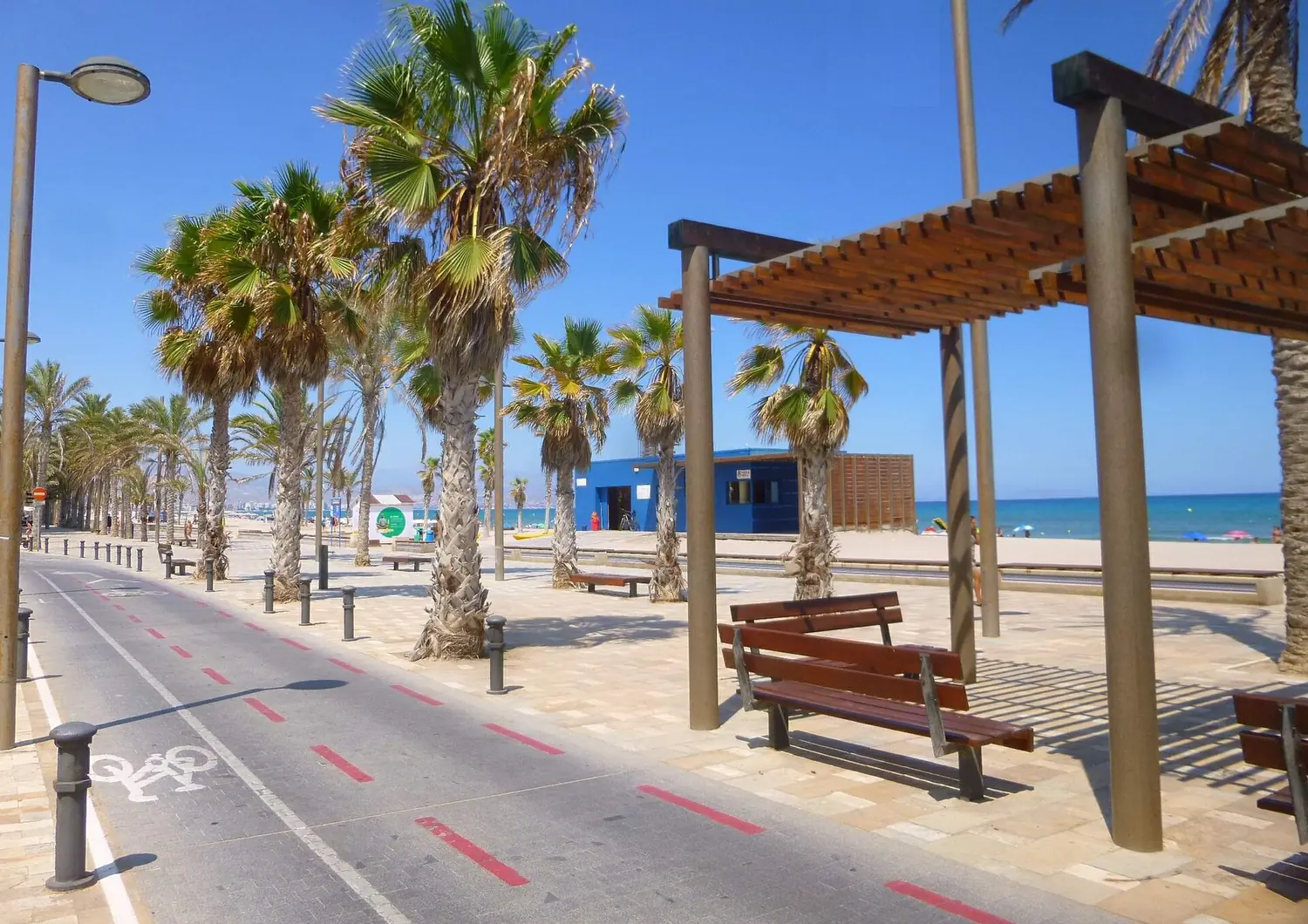
Around 2.9 kilometres of wide, fine sand with sports areas, restaurants and plenty of space. Well connected by tram.
Photo: Zarateman · CC0 / Wikimedia Commons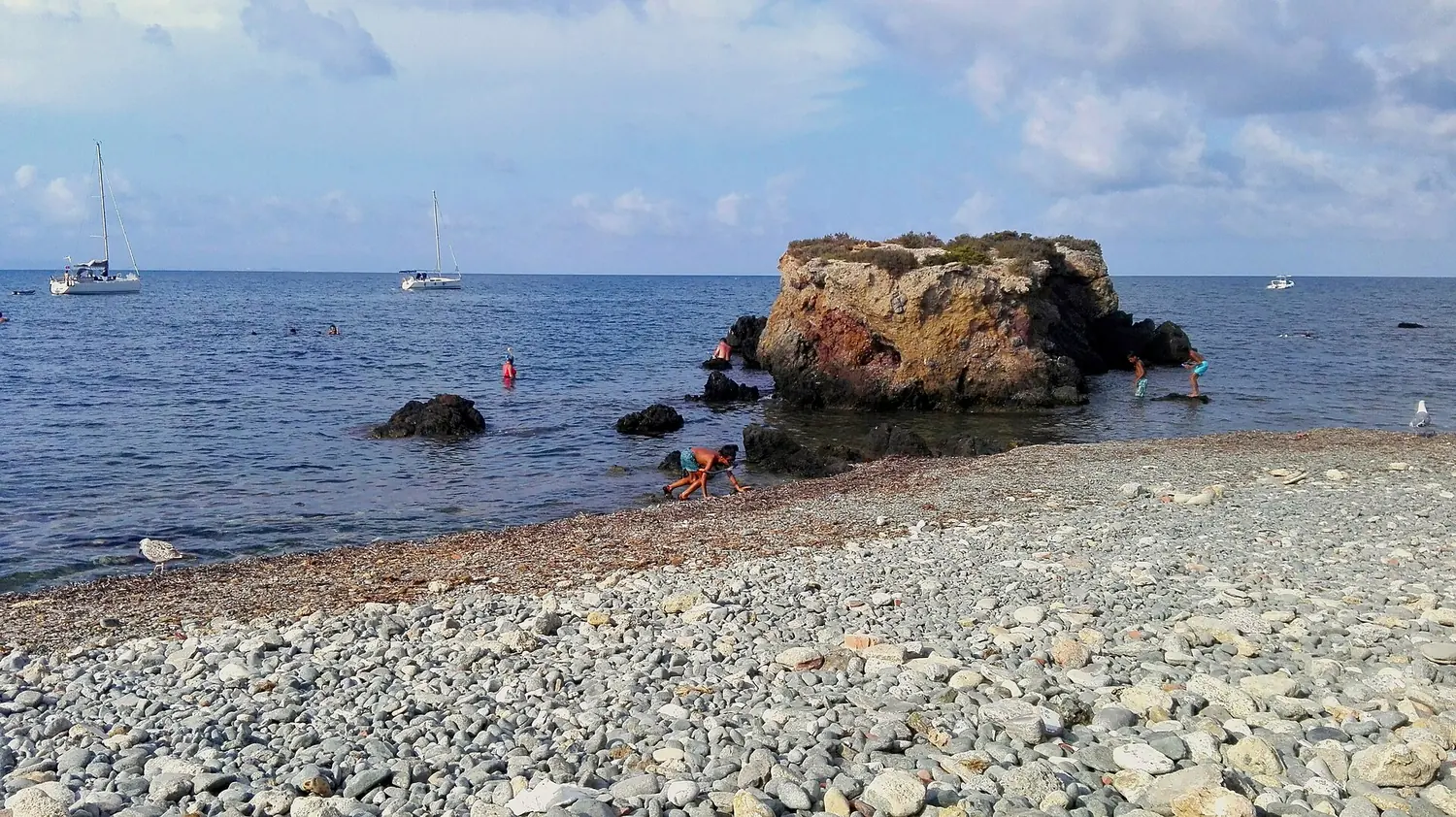
Clear water in the marine reserve, small coves and a beach by the village. More in the next chapter.
Photo: Susana Romero · CC BY-SA 4.0 / Wikimedia CommonsIt’s quieter than Postiguet on the Albufereta and Almadraba beaches. The sunsets at Almadraba are especially beautiful, and a new coastal park with wooden walkways leads past the remains of a Roman villa. This is where the “Venus of Alicante”, a Roman marble head, was found. Around five kilometres south of the centre lies the wide Saladar-Urbanova beach.
Tabarca: a day on the island
The boat from Alicante harbour takes around an hour. Tabarca is about 1,800 metres long, only around 400 metres wide and the region’s only inhabited island. The waters around it are a marine reserve and among the best snorkelling spots on the coast. Boats also run from Santa Pola and Benidorm; out of season the island can be reached from Santa Pola. For the trip from Alicante the tourist office suggests around six hours including the crossing.
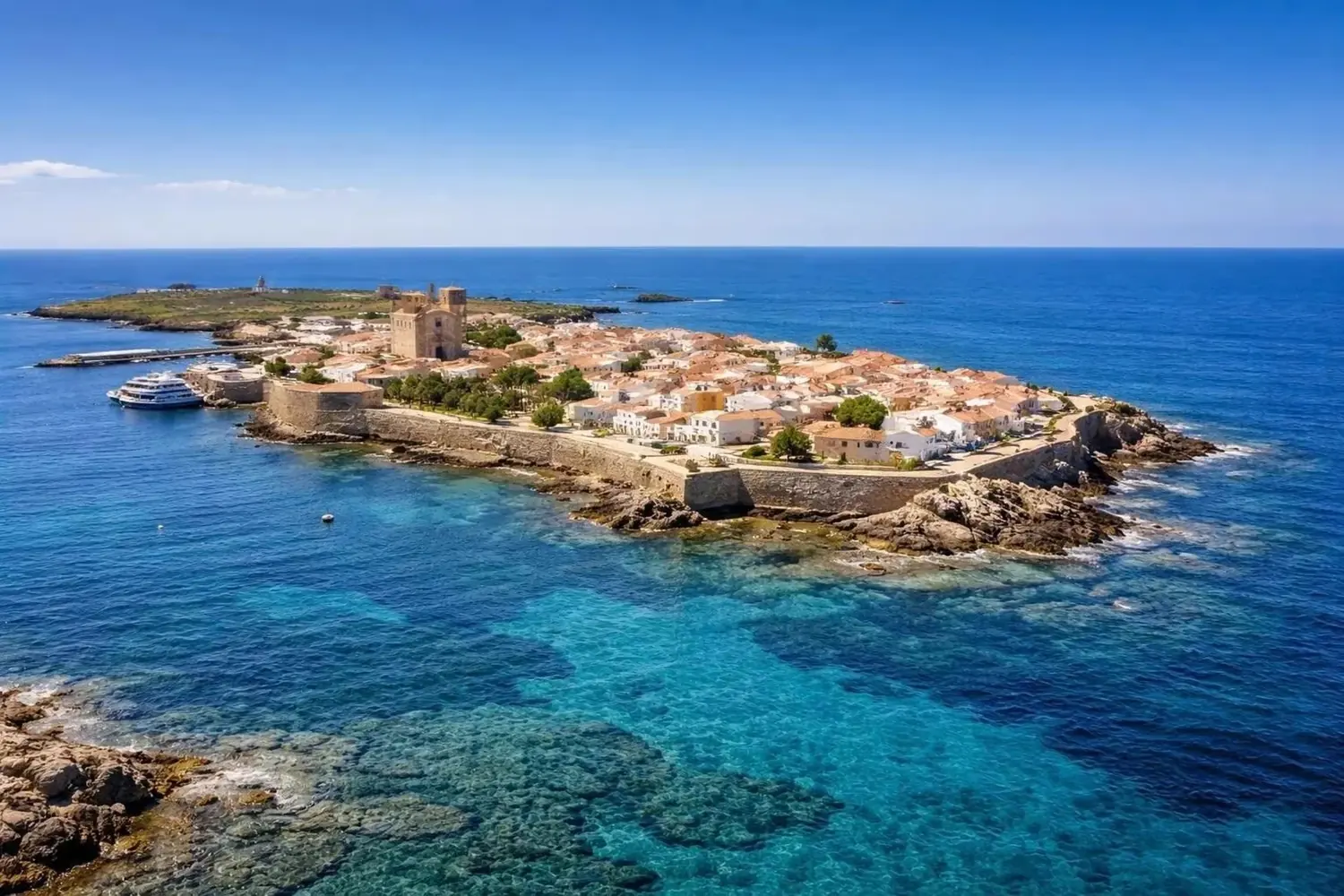
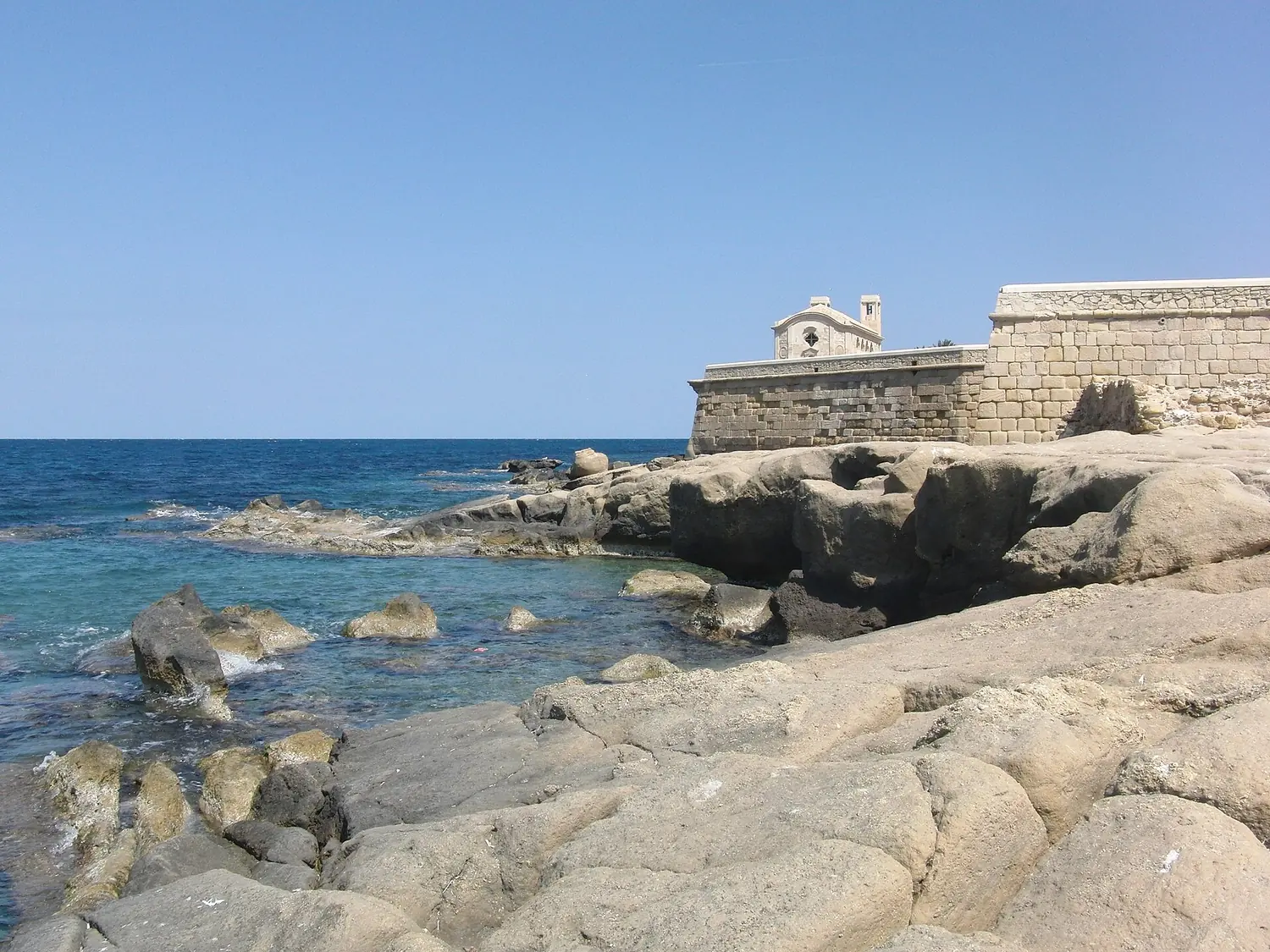
In the 18th century Charles III had the former pirate base fortified and settled Genoese fishing families there, who had been held captive in the Tunisian town of Tabarka. Its walls are now protected heritage, and a small museum tells the island’s story. Try the island dish caldero, and check the sailing times in advance – they change with the season.
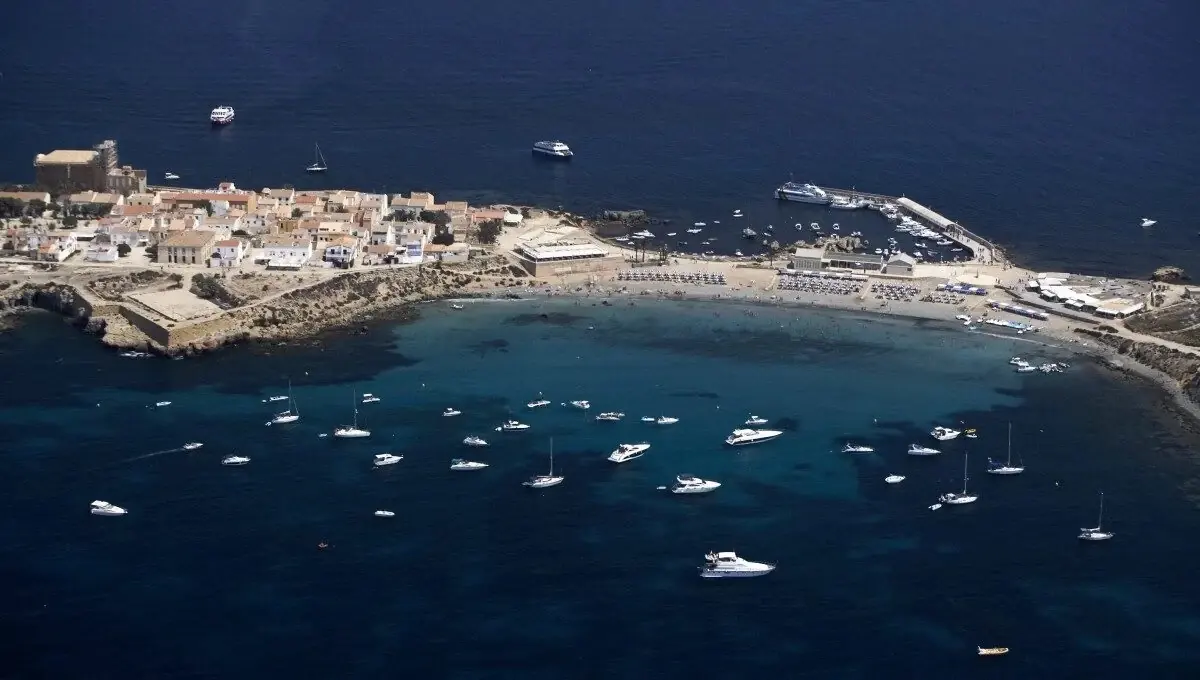
Tabarca can also be enjoyed overnight: there is accommodation on the island, and Punta Falcón is the province’s first Starlight area, with little light pollution and a clear view of the Milky Way.
When snorkelling, take a buoy to mark your position and watch out for boats, especially in summer. If the water is cloudy or rough, it’s better to stay out.
The palm garden and the city’s green spaces
Alicante’s palm garden is the Parque El Palmeral on the Avenida de Elche: more than 7,000 palms among lakes, wooden bridges and a waterfall, with views of the sea. Opened in 1997, the park was renovated by 2025 for around €1.3 million. It gained new playgrounds, picnic areas with pergolas and a pump track, and there are boats on the lake.
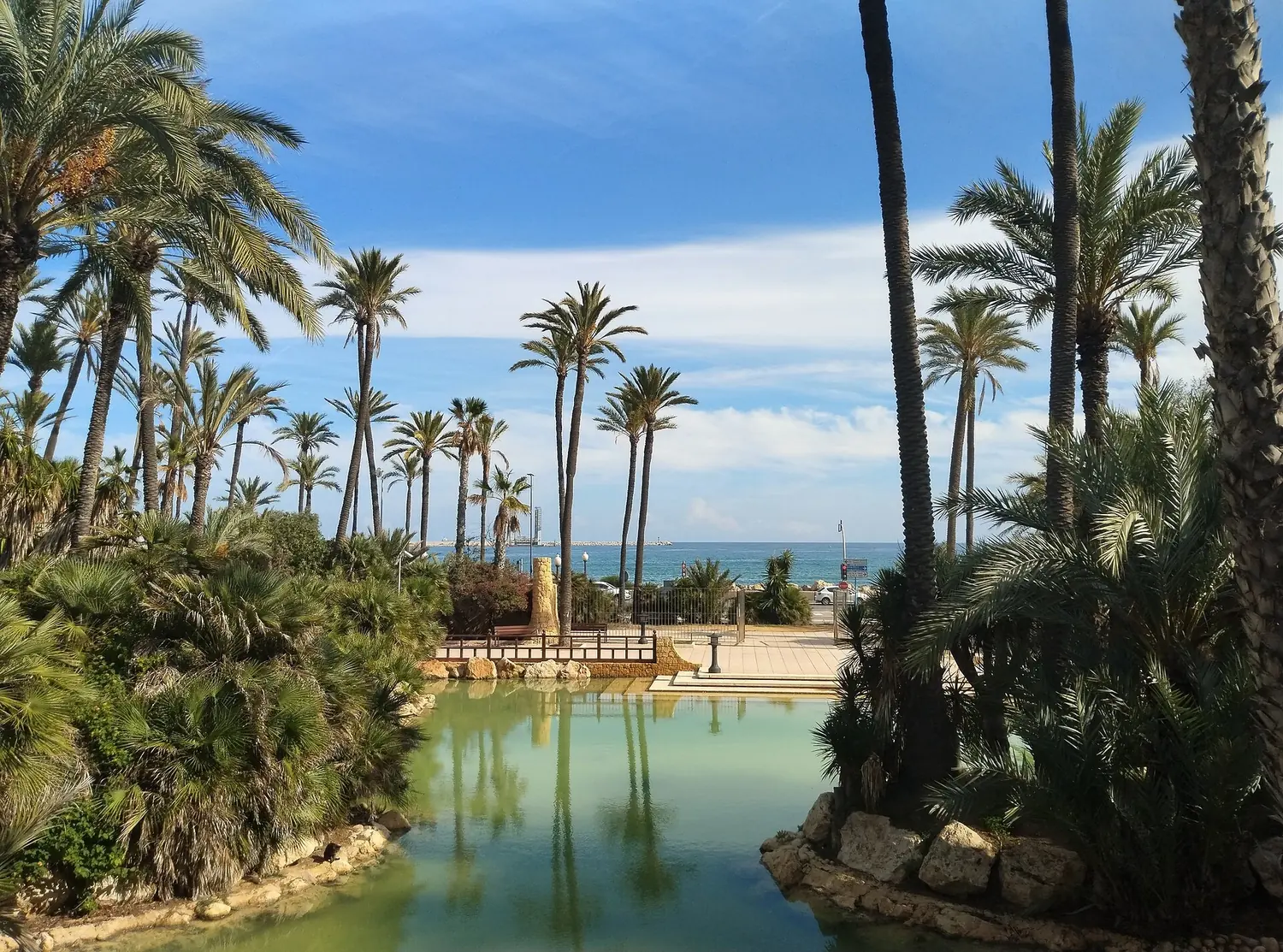
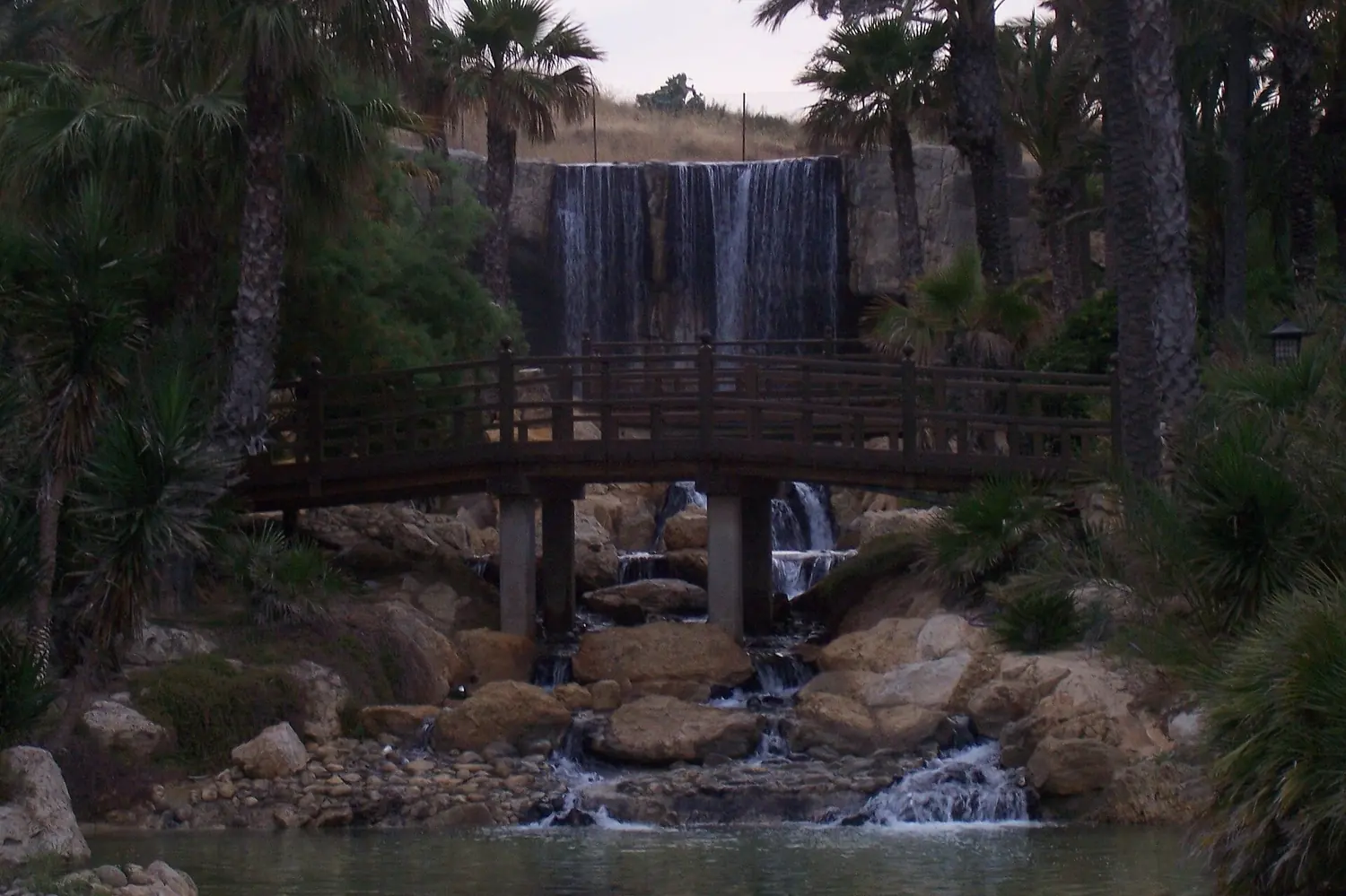
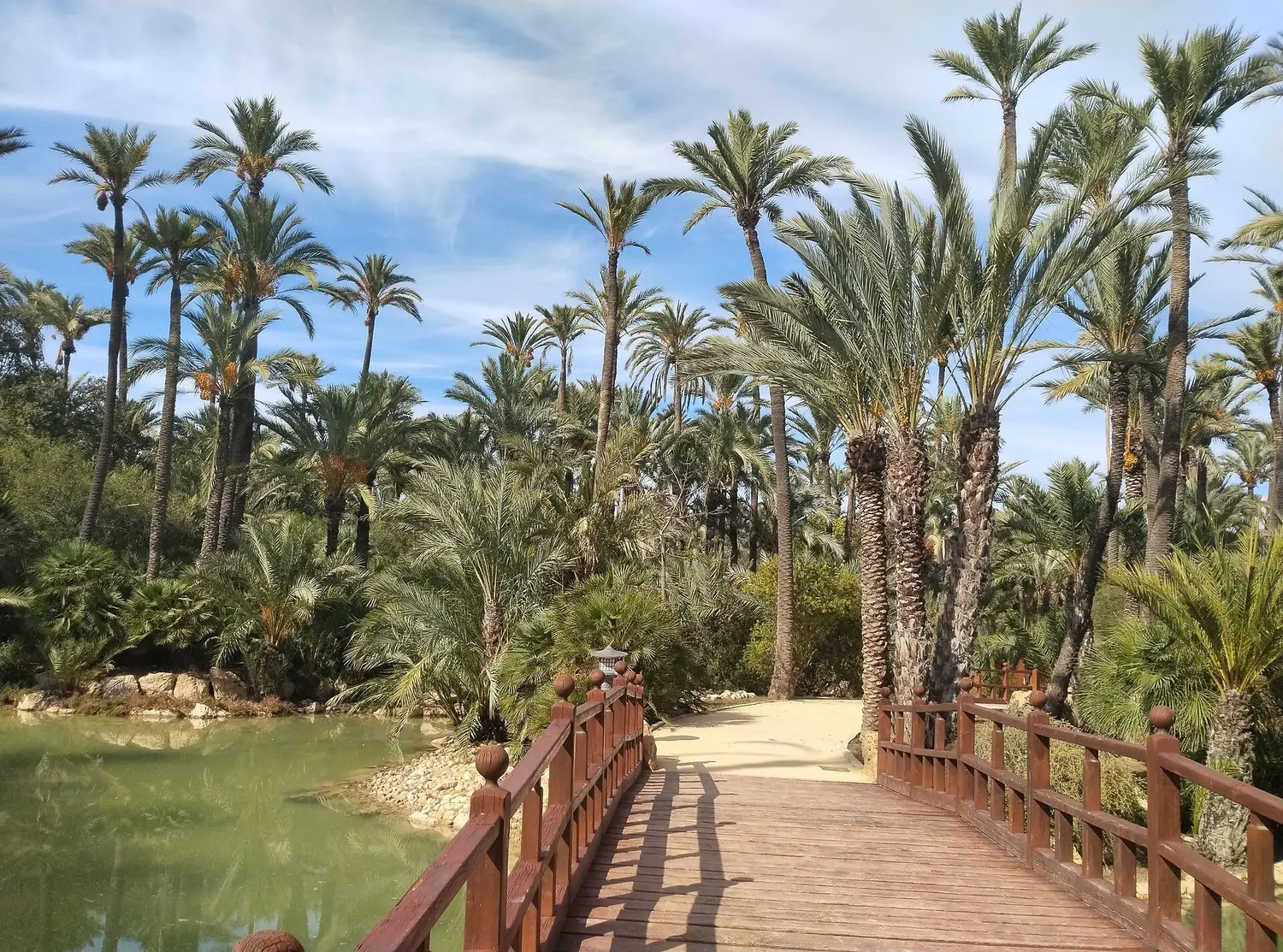
Admission is free. According to the notice at the entrance, it is open from 9 am to 10 pm from November to March and from 9 am to 11 pm from April to October. Picnics are allowed, dogs are not.
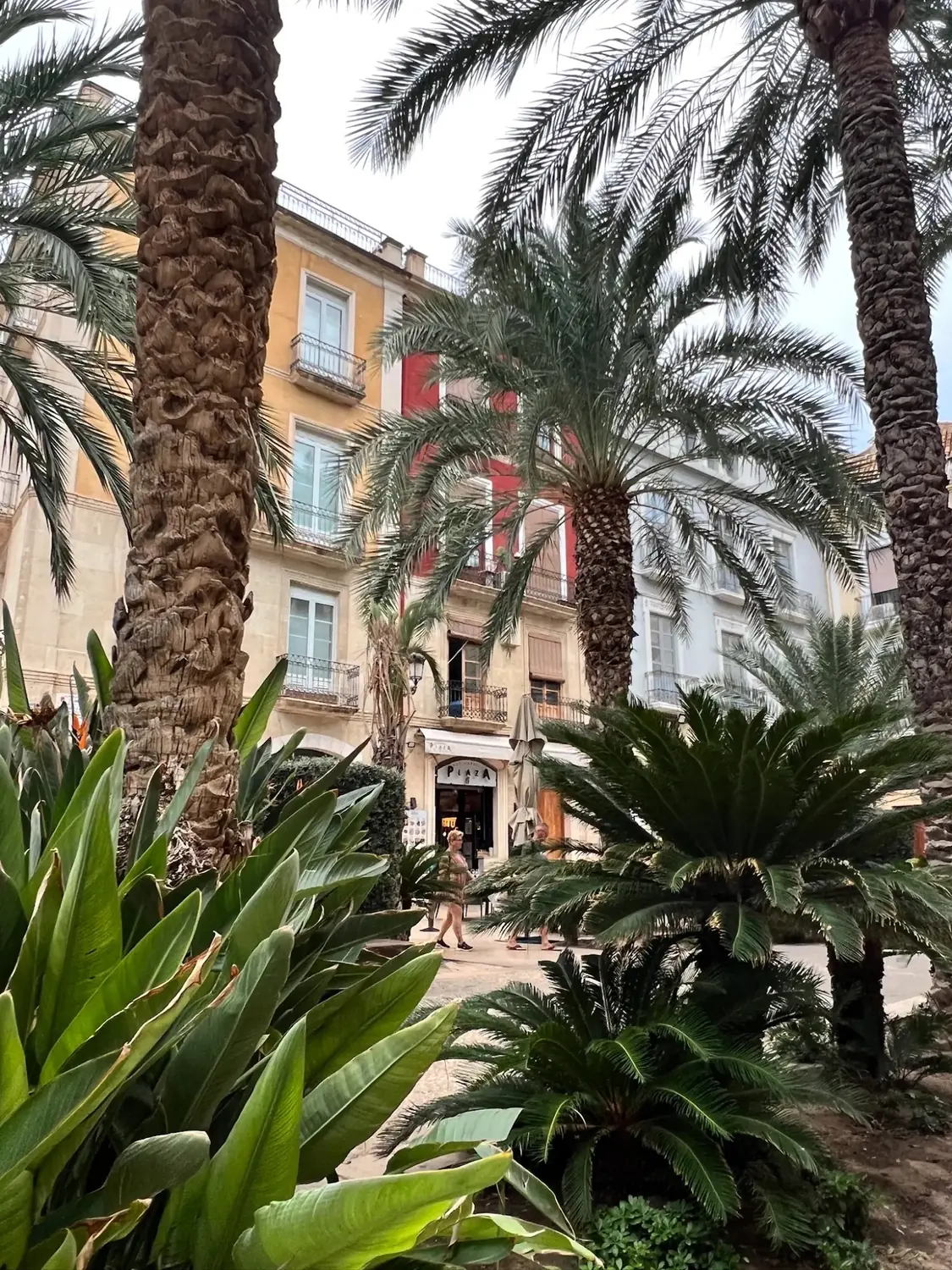
There’s plenty of shade closer to the centre too. The Parque de Canalejas opposite the marina is the city’s oldest park, and some of its ficus trees are over a hundred years old. The small Plaza Portal de Elche, with ficus trees and cafés, was a place of execution until 1810. On the Plaza Gabriel Miró, the “La Aguadora” fountain stands among old trees.
For a walk with a view, try the step-free, 1.2-kilometre La Cantera Green Route on the old railway line along the coast, or Monte Tossal with the San Fernando castle, from where you look across to Santa Bárbara.
Museums, Romans and the fire of San Juan
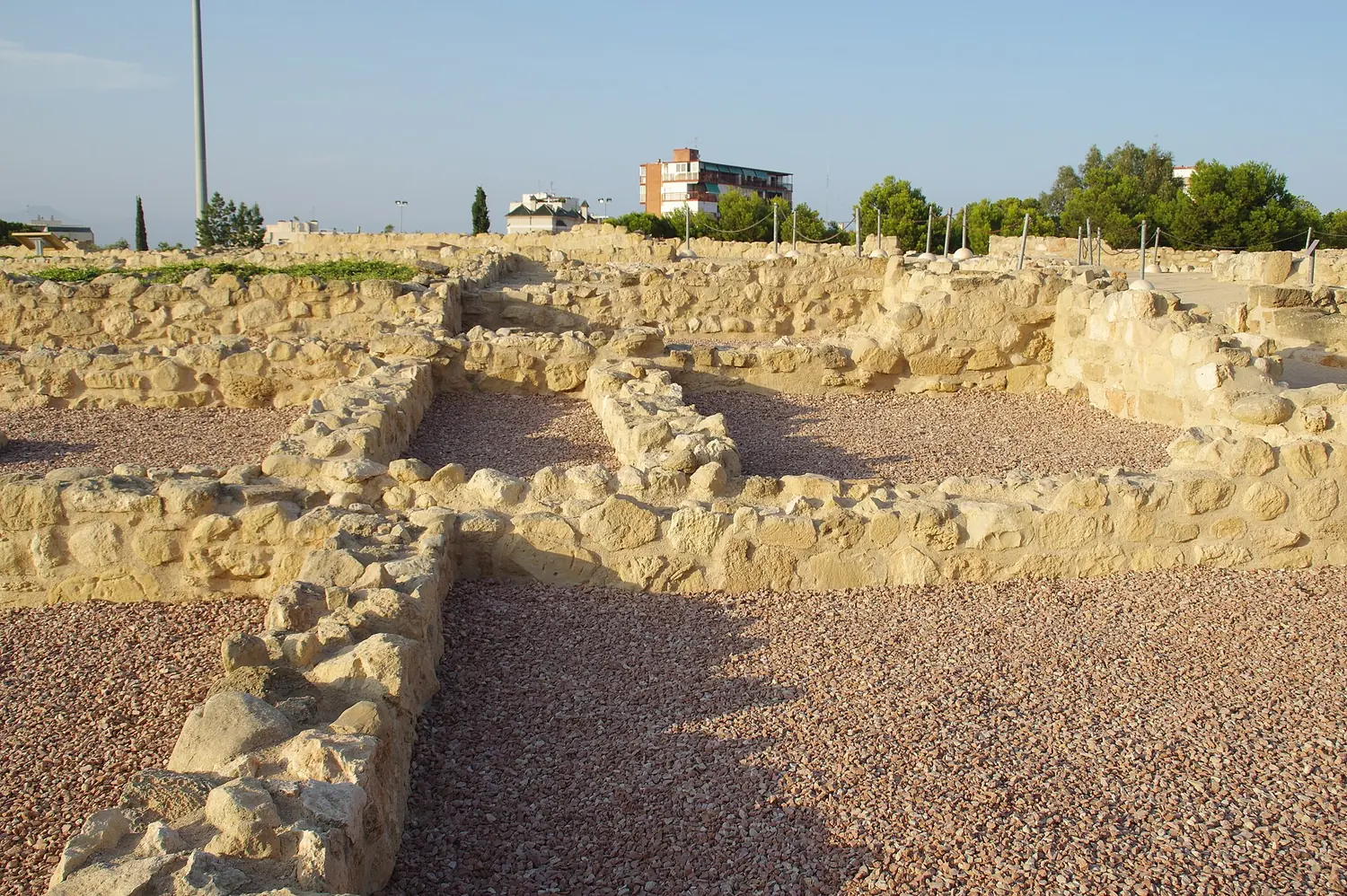
The MARQ archaeological museum is the city’s best known. MACA shows 20th- and 21st-century art in a 17th-century building, including works by Picasso, Dalí and Miró from the Eusebio Sempere collection. Add the MUBAG art museum in a city palace, The Ocean Race museum, the Las Cigarreras cultural centre in the former tobacco factory and the Roman site of Lucentum. In rain or winter, they’re a good alternative to the beach.
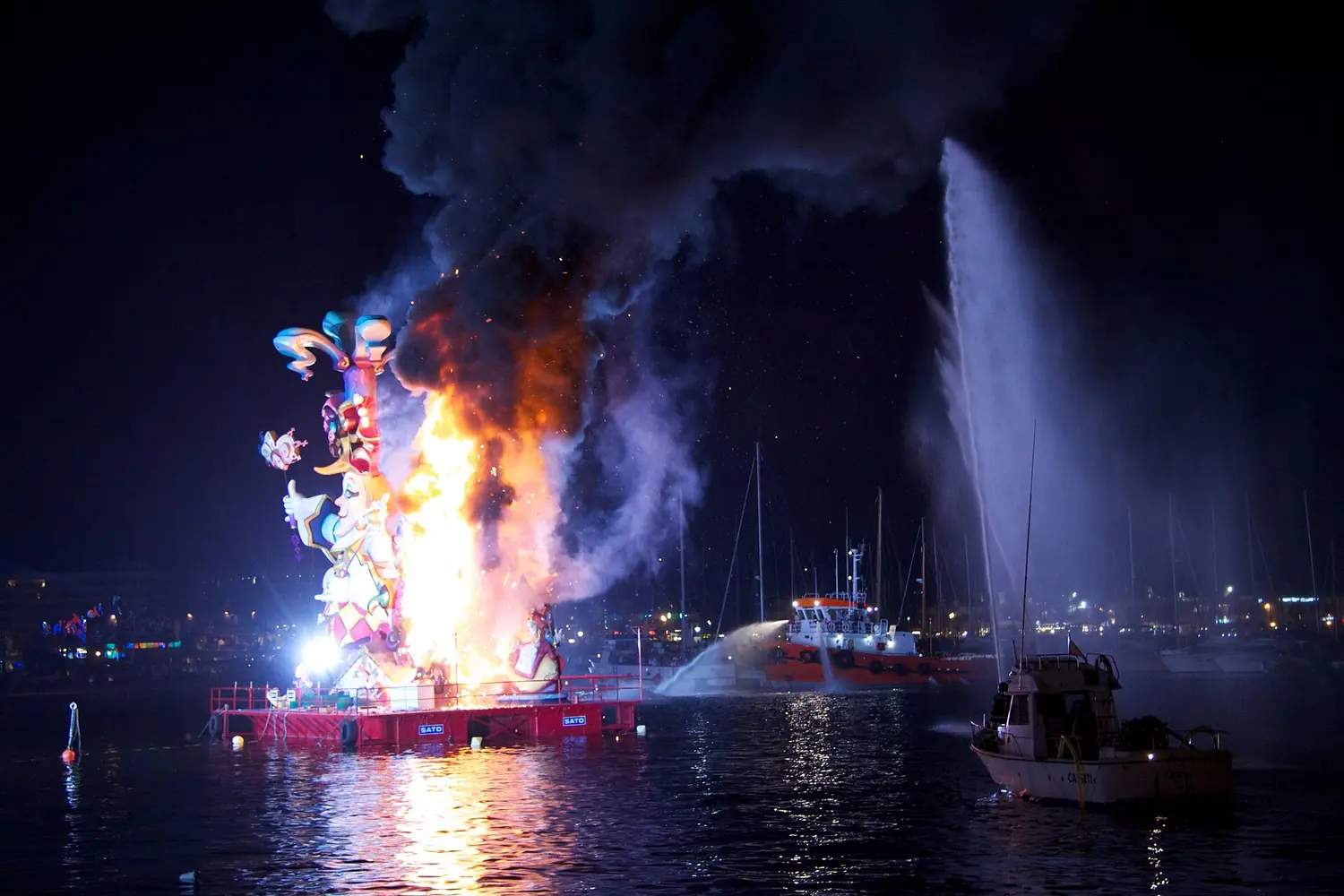
The highlight of the year is the Hogueras de San Juan from 20 to 24 June, a Festival of International Tourist Interest. Figures up to twelve metres high then stand all over the city, and the mascletà thunders daily at 2 pm on the Plaza de los Luceros. On the night of 24 June the artworks go up in flames, including on the town hall square, followed until 29 June by a fireworks contest on the beach. All year round, the Hogueras museum gives an impression with the figures spared from the fire.
The city of rice
Alicante sees itself as the city of rice: olive oil, saffron, ñora peppers and fresh ingredients from sea and garden shape its dishes. Add red prawns, salted fish such as mojama and, for the Hogueras, savoury coca amb tonyina. In winter, hearty stews such as olleta alicantina with lentils, beans, rice and vegetables come to the table.
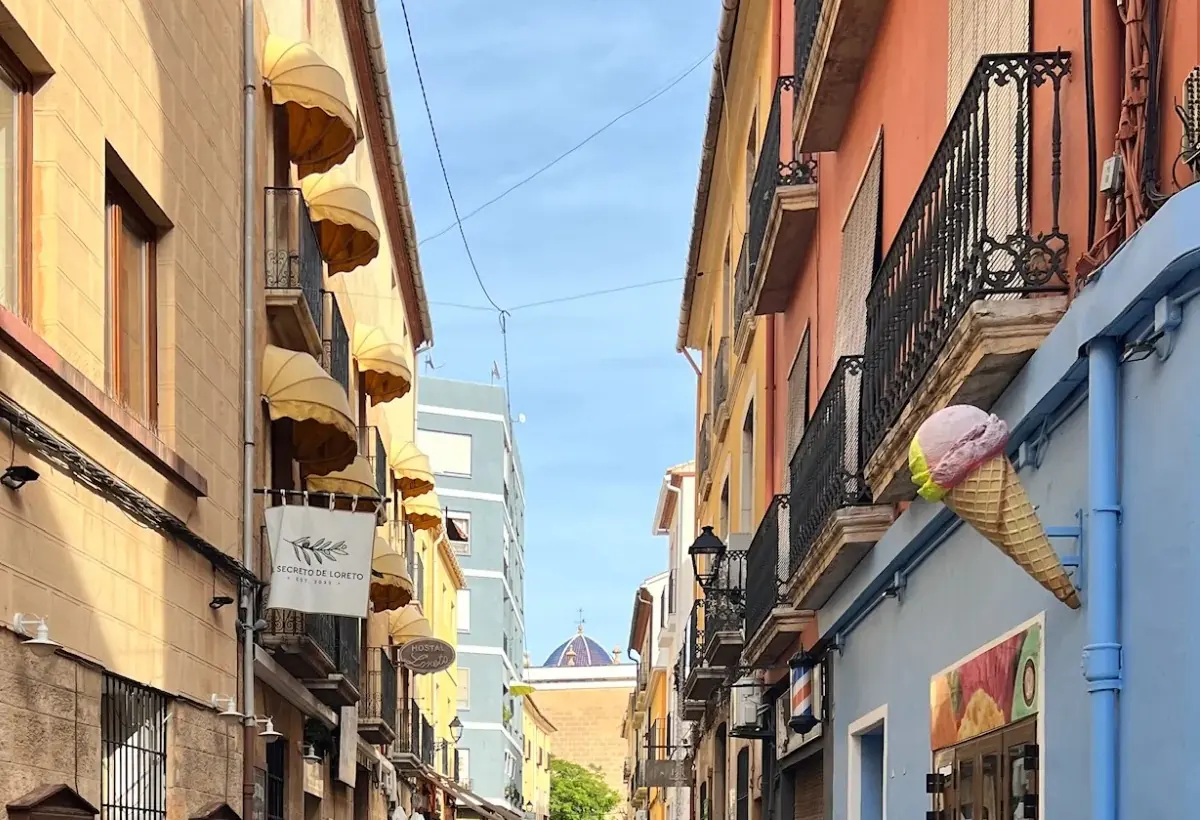
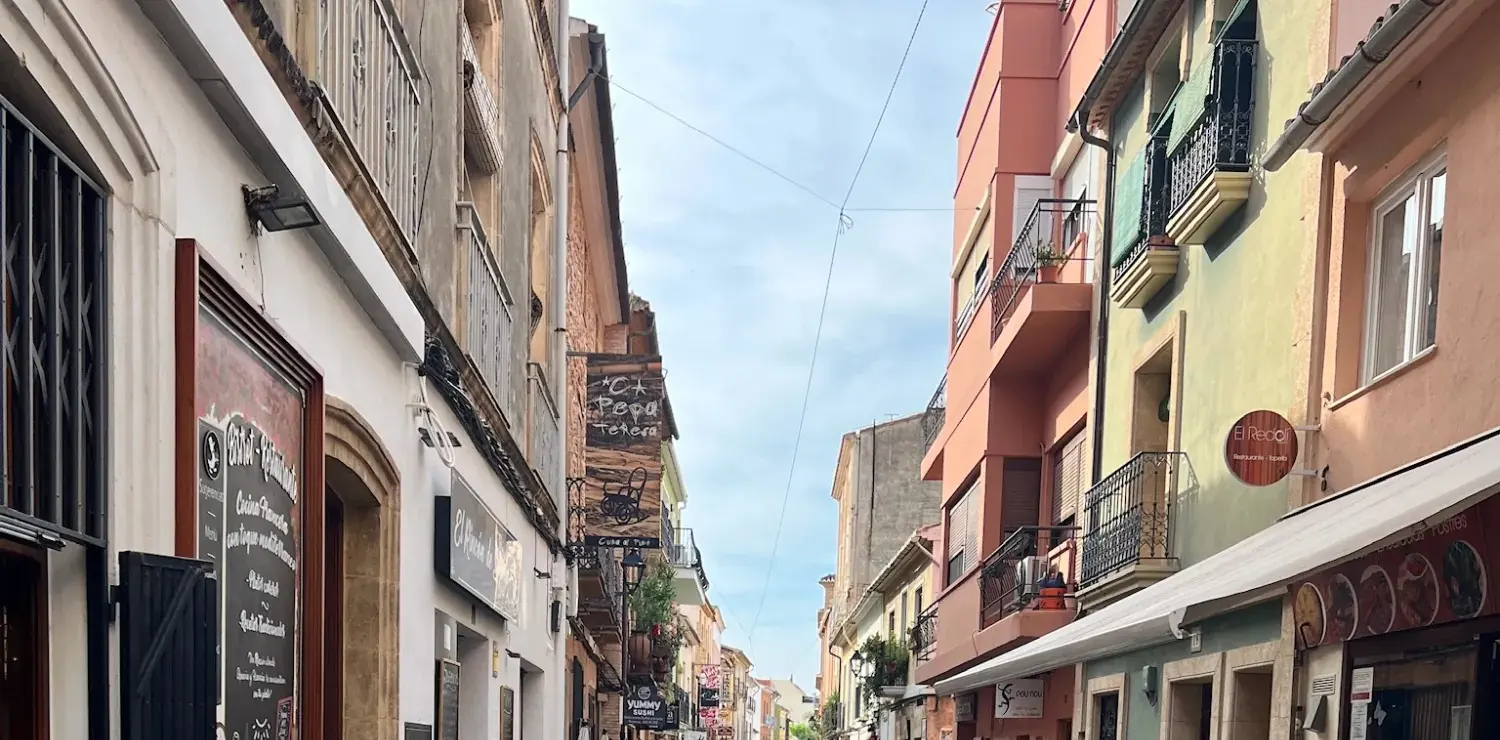
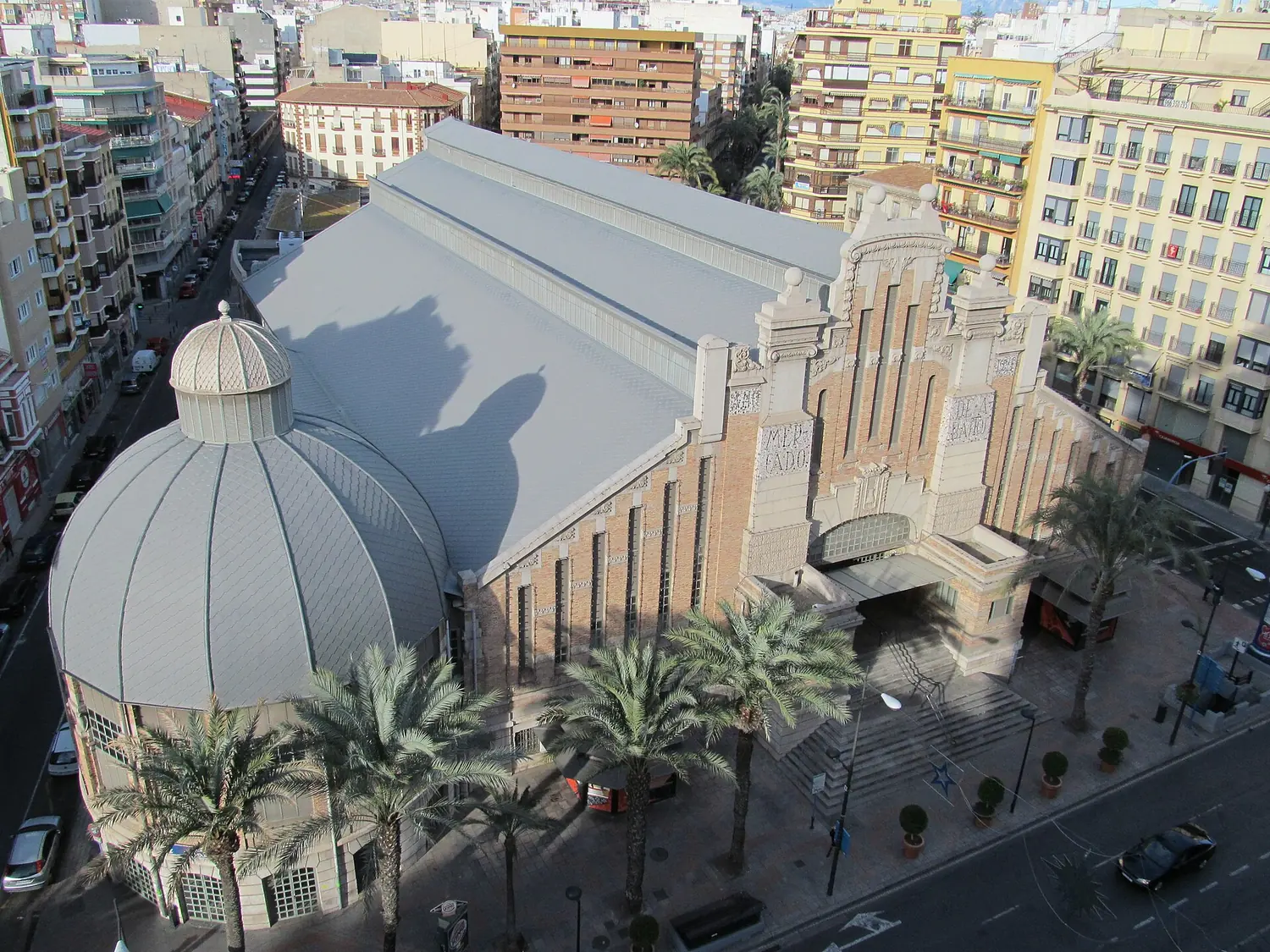
Opened in 1921, the Mercado Central with its eclectic façade is the best address for fish, fruit and a quick tapa. Behind it, the Plaza 25 de Mayo remembers the victims of the 1938 bombing of the market. Alicante turrón makes a good souvenir: its protected designation requires at least 60% almonds and 10% honey. A wine from the Alicante designation goes well with it, such as a full-bodied Monastrell.
Alicante in one day
- 09:30Up to the castle
Take the lift while it’s still cool.
- 11:30Through Santa Cruz
Walk down through the lanes and past the churches.
- 13:30Market or tapas
Around the Mercado Central or in the old town.
- 15:30Beach or museum
Postiguet for a break by the sea, MARQ in bad weather.
- 19:00Explanada
An evening stroll under the palms and on to the Paseo Volado at the harbour.
Day trips nearby
Alicante is also a good base for the region, by car and partly by tram and train.
The Palmeral palm grove is a UNESCO World Heritage Site.
Harbour, salt flats and beaches, plus another boat link to Tabarca.
An impressive stalactite cave near Busot in the mountains.
The home of turrón, with a museum and makers.
Home of the Veronica relic and the goal of a large annual pilgrimage from Alicante.
The modernist pilgrimage church of Santa María Magdalena on a hill is called the “little Sagrada Familia” because of its forms.
Many direct flights to Central and Eastern Europe.
A lovely city. But also the right place to live?
Alicante is one of the few places on the coast where everything is still open in January. The airport, doctors, shops and public transport make everyday life easy, often without a car. Other questions count here: how noisy is the street in the evening? Where do you park? And which district suits your daily life: centre, beach or outskirts?
At present Alicante is particularly interesting for own use and long-term letting. A moratorium on holiday rentals has applied in the city since 13 January 2025; it was upheld in court in February 2026 and runs until January 2027 at the latest (as of October 2026).
First understand the district. Then choose the property.
CASA READY is not tied to any single developer. We compare options, talk about everyday life and running costs, and on request also take care of furnishing and property management.
Talk to CASA READY ↗- Visit the district at different times of day
- Check noise, parking and neighbourhood
- Clarify licensing and community rules
- Test routes to the beach, doctor and airport
Frequently asked
How many days do you need for Alicante?
One day is enough for the castle, old town and Explanada. With two or three days you can add the beach, museums and Tabarca.
When is the best time to visit?
The tourist office cites more than 320 sunny days a year and an annual average of 18 degrees. Spring and autumn are pleasant, although September and October can also bring heavy rain. The Hogueras in June are an experience, but the city is full and accommodation books up early.
Is there a palm garden in Alicante?
Yes, the Parque El Palmeral on the Avenida de Elche, with more than 7,000 palms, lakes and a waterfall. Admission is free. The UNESCO World Heritage palm grove, by contrast, is in Elche.
Is Alicante a good place for a second home?
It suits you well if you value city life, year-round options and a nearby airport. Check the district in person.
Can I rent out an apartment to holidaymakers?
A moratorium currently applies (as of October 2026). Before a purchase we check the current situation with the city.