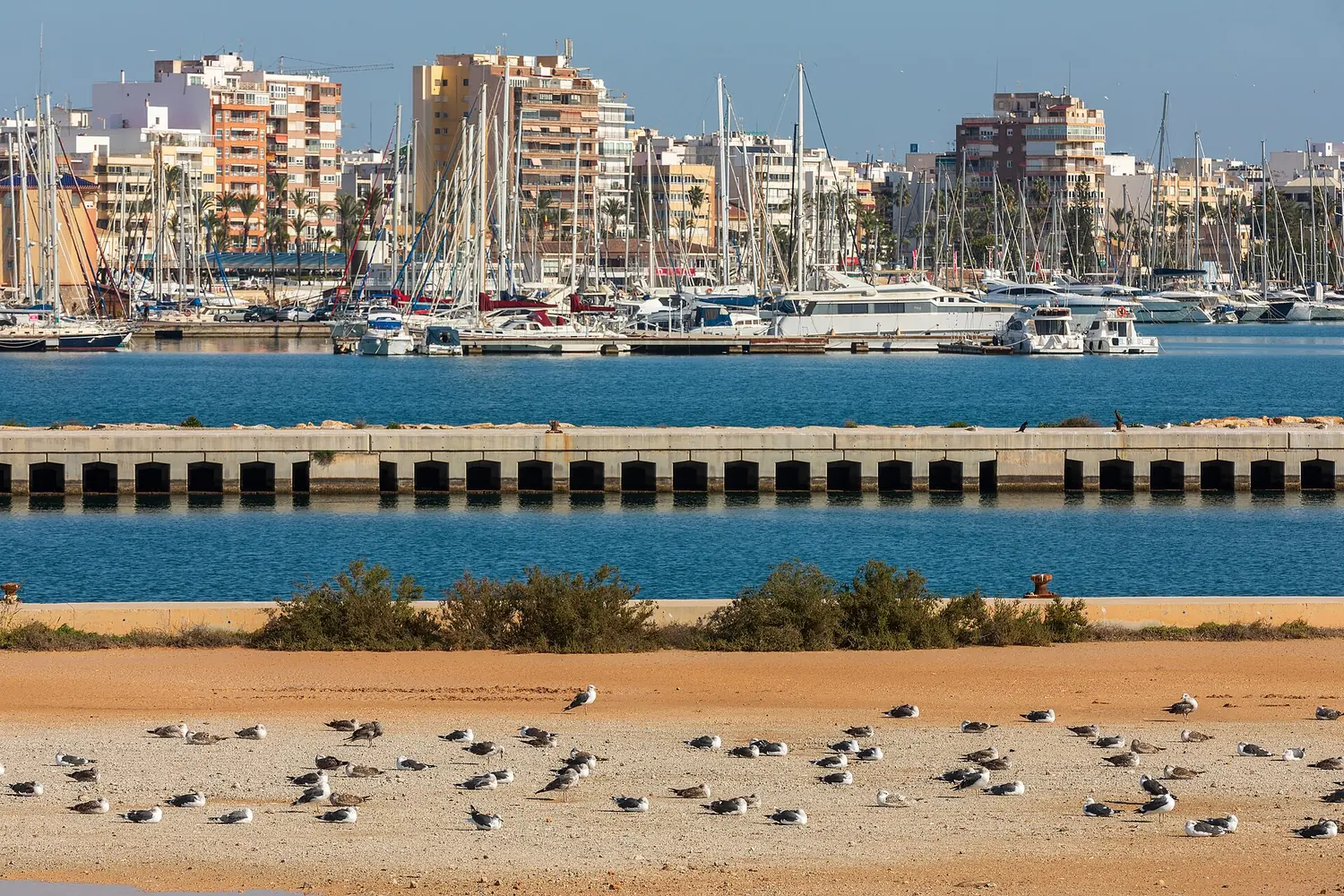
With around 98,500 inhabitants, Torrevieja is one of the largest towns on the Costa Blanca, and more than half of its residents come from abroad, from around 120 countries. The town grew out of salt: in 1803 the administration of the royal salt works moved here from La Mata. Today it combines a nature park, beaches in town and an everyday life that carries on all year.
The pink lagoon and the salt works
Right behind the town lie two large lagoons, Torrevieja and La Mata. They have been protected as a nature park since 1996 and cover around 3,700 hectares together. Seawater is pre-concentrated in the La Mata lagoon, and the salt crystallises in the Torrevieja lagoon.

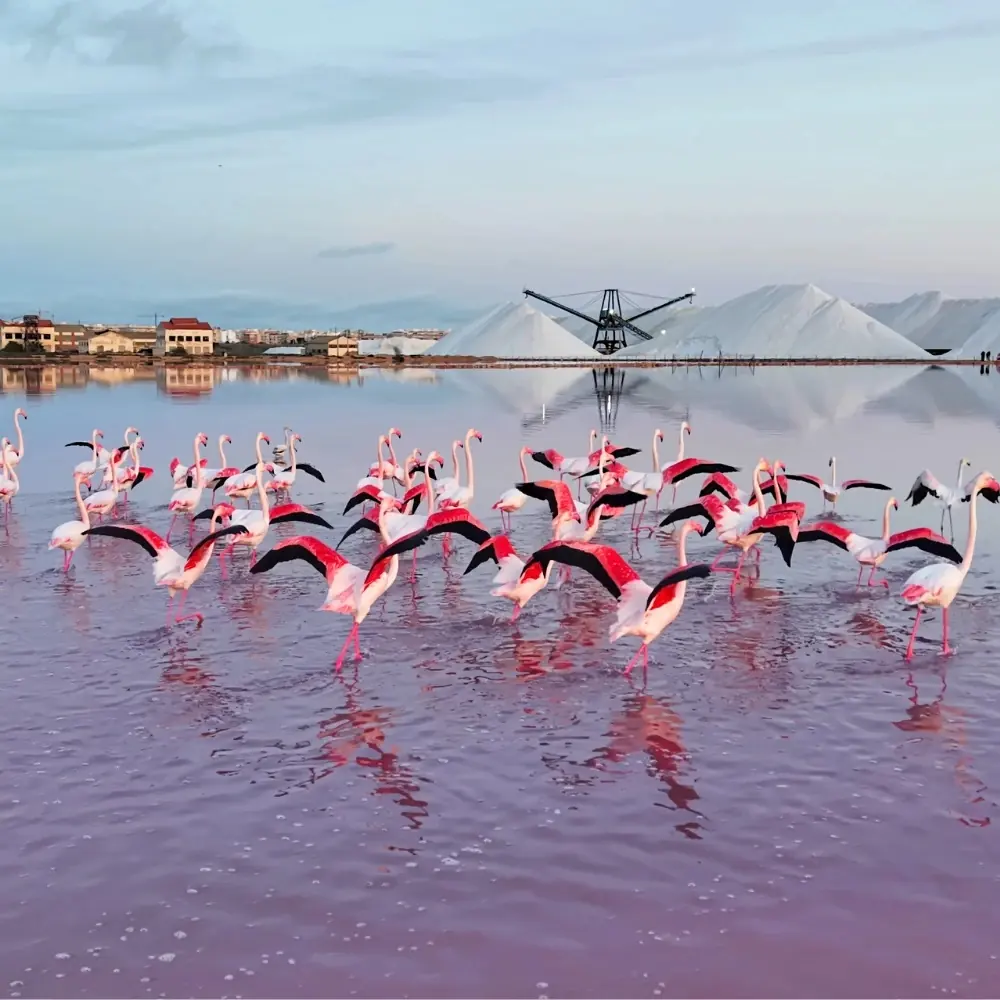
The lagoon owes its pink colour to its very high salt content, around 350 grams per litre, and to tiny organisms such as the alga Dunaliella salina and the brine shrimp Artemia. Salt is still harvested here today: around 500,000 tonnes a year, most of it for export.
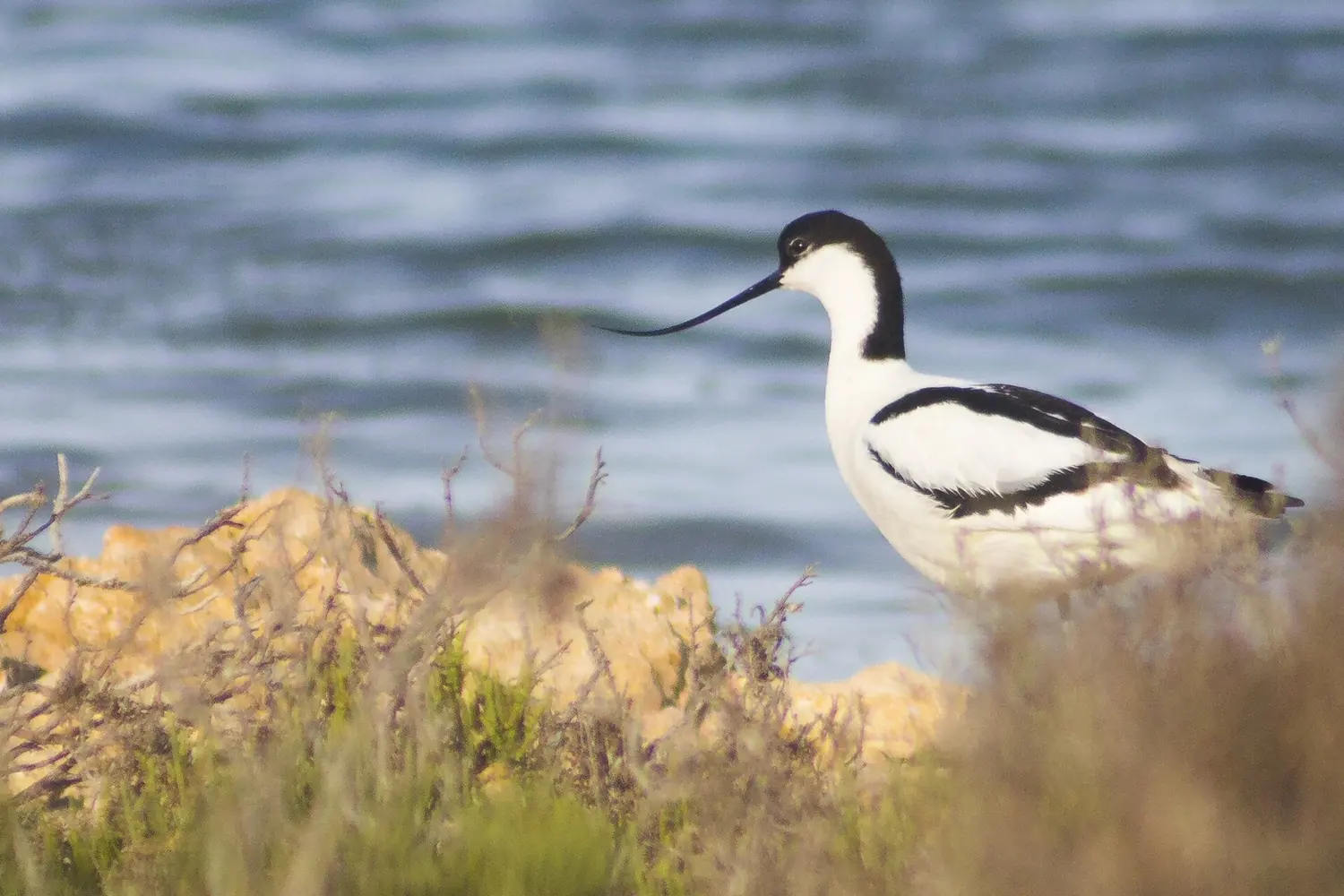
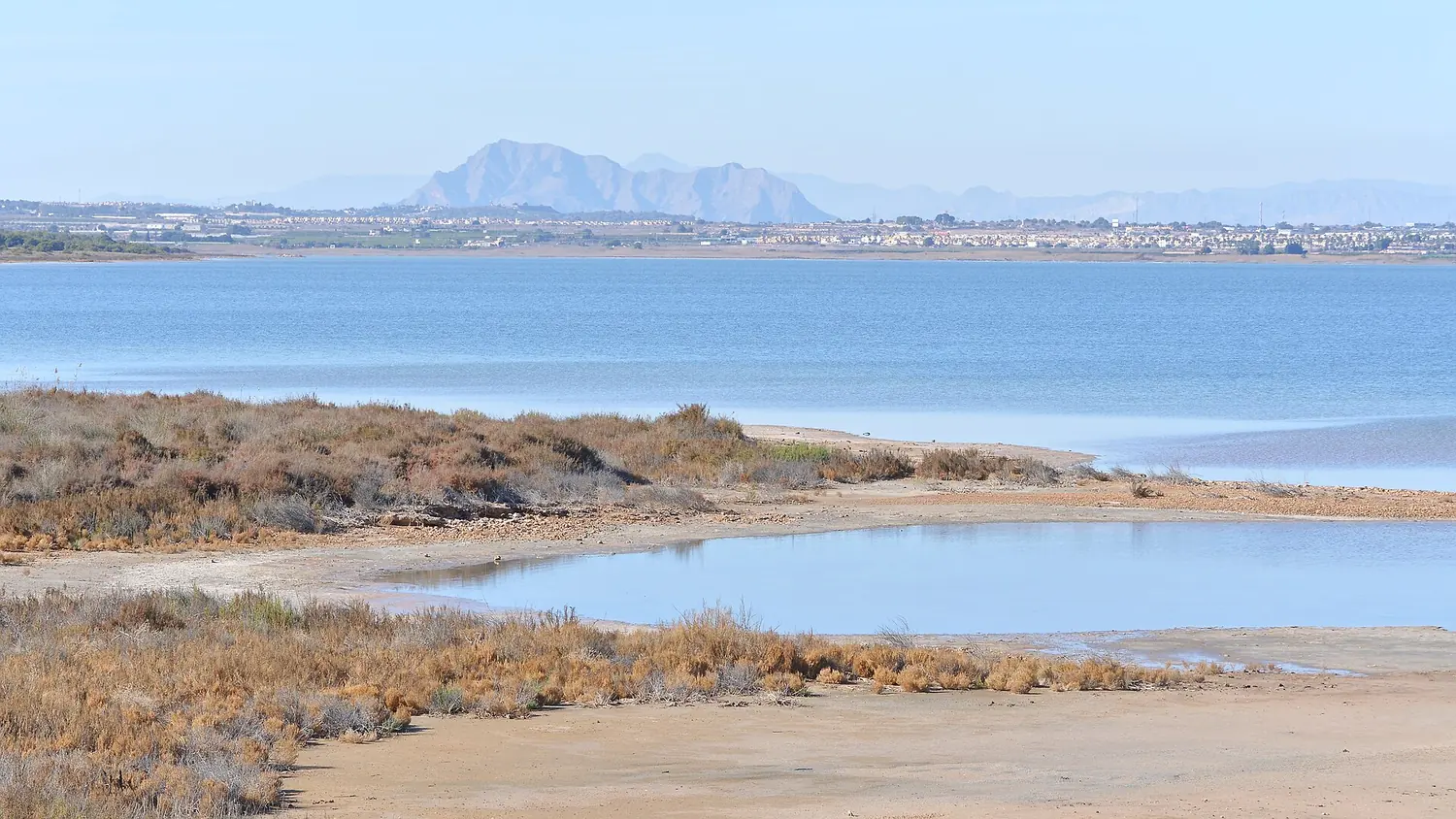
The best-known residents are the flamingos, which wade through the shallow water of the lagoons in search of tiny brine shrimp. For birdwatchers the park is a treat anyway. Besides flamingos, avocets, black-winged stilts and shelducks live here. Around the La Mata lagoon there are walking and cycling paths and bird hides, and the visitor centre is on the N-332 at kilometre 64.5. The town offers free guided eco-routes, for example for birdwatching, to the sand vineyards of La Mata and, in summer, at night.

Come in the late afternoon, when the pink is at its strongest and the flamingos are easy to see. Binoculars are worth bringing.
Promenades, harbour and history
The name tells the story: an old watchtower, the torre vieja, stood at the Eras de la Sal. From the late 18th century until 1958, salt was stored there and loaded onto ships. After the severe earthquake of 1829 the town was rebuilt, and from 1844 even stones from the old tower were used for the Church of the Inmaculada Concepción.
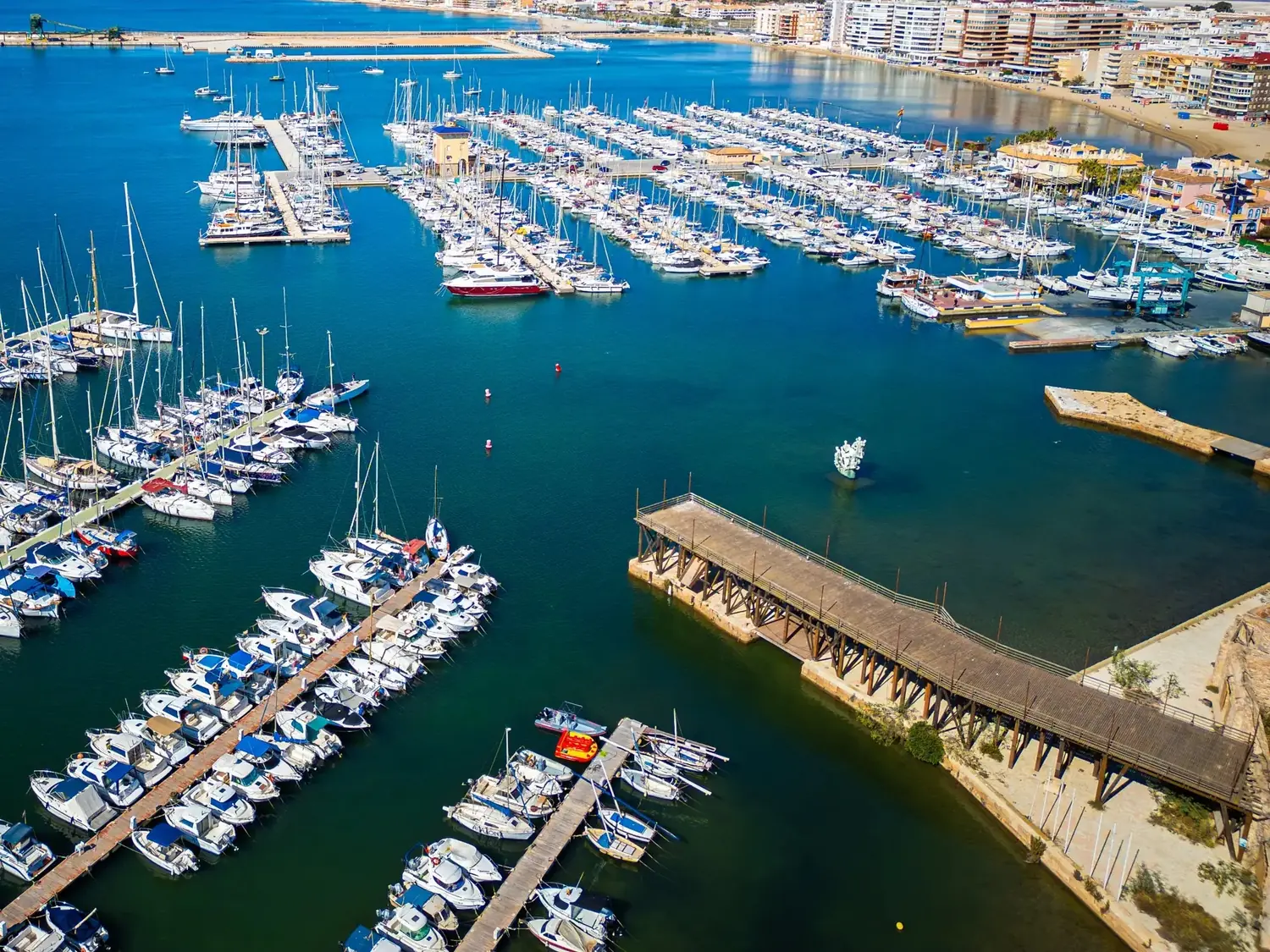
A major redevelopment of the Eras de la Sal has been approved: around 15.5 million euros are to go into a new museum of the sea and salt and a dedicated hall for the habaneras. Until then, the small Museo del Mar y de la Sal on Calle Patricio Pérez tells the town's story, open in the mornings with free entry.
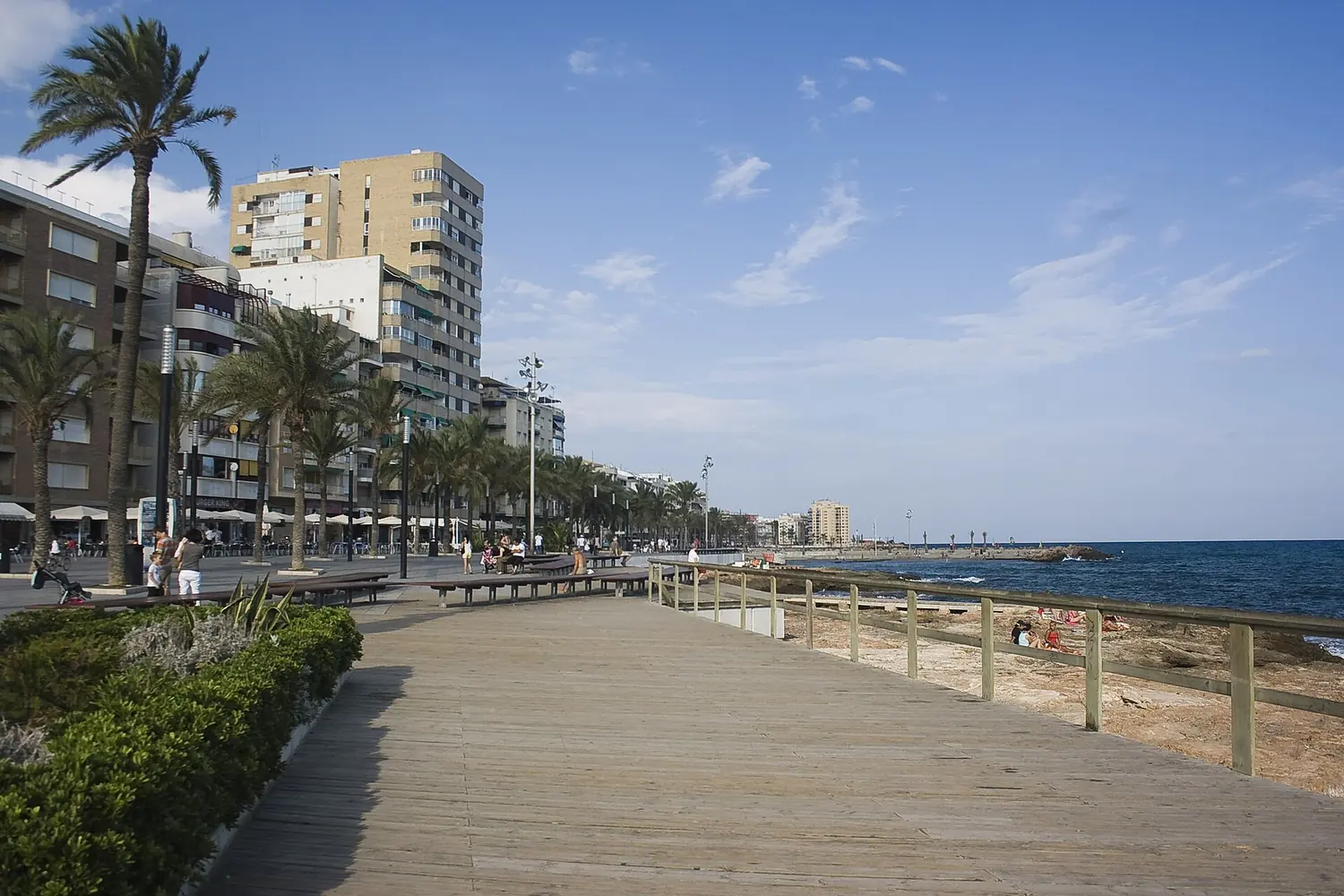
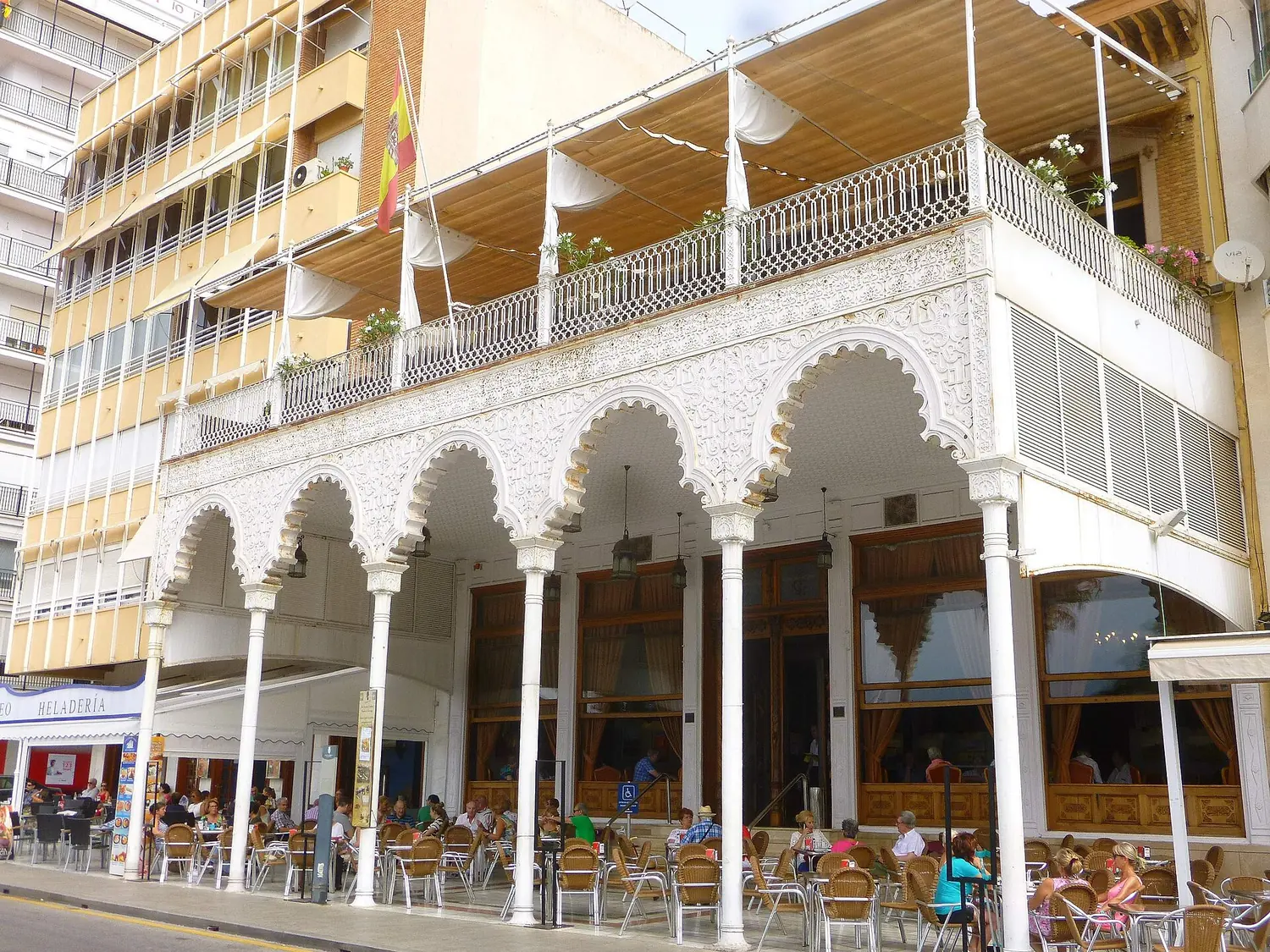
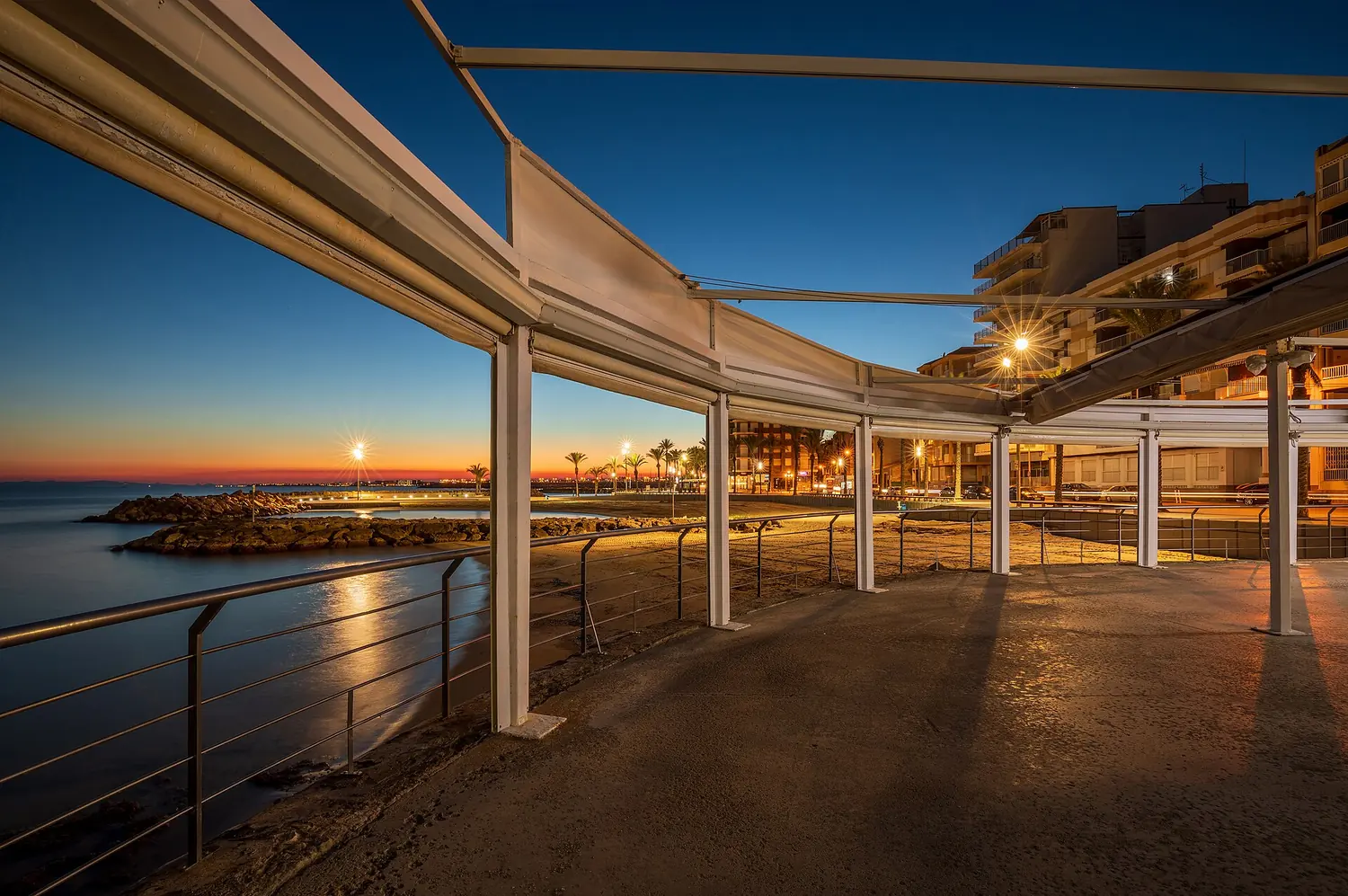
The Paseo Juan Aparicio, also called Paseo de las Rocas, runs along the rocks by the sea, past the La Bella Lola sculpture. The Paseo Vista Alegre with its pergola is the meeting point by the harbour. In the Casino, founded as a society in 1867, the Moorish-style hall from 1901 is worth a look.
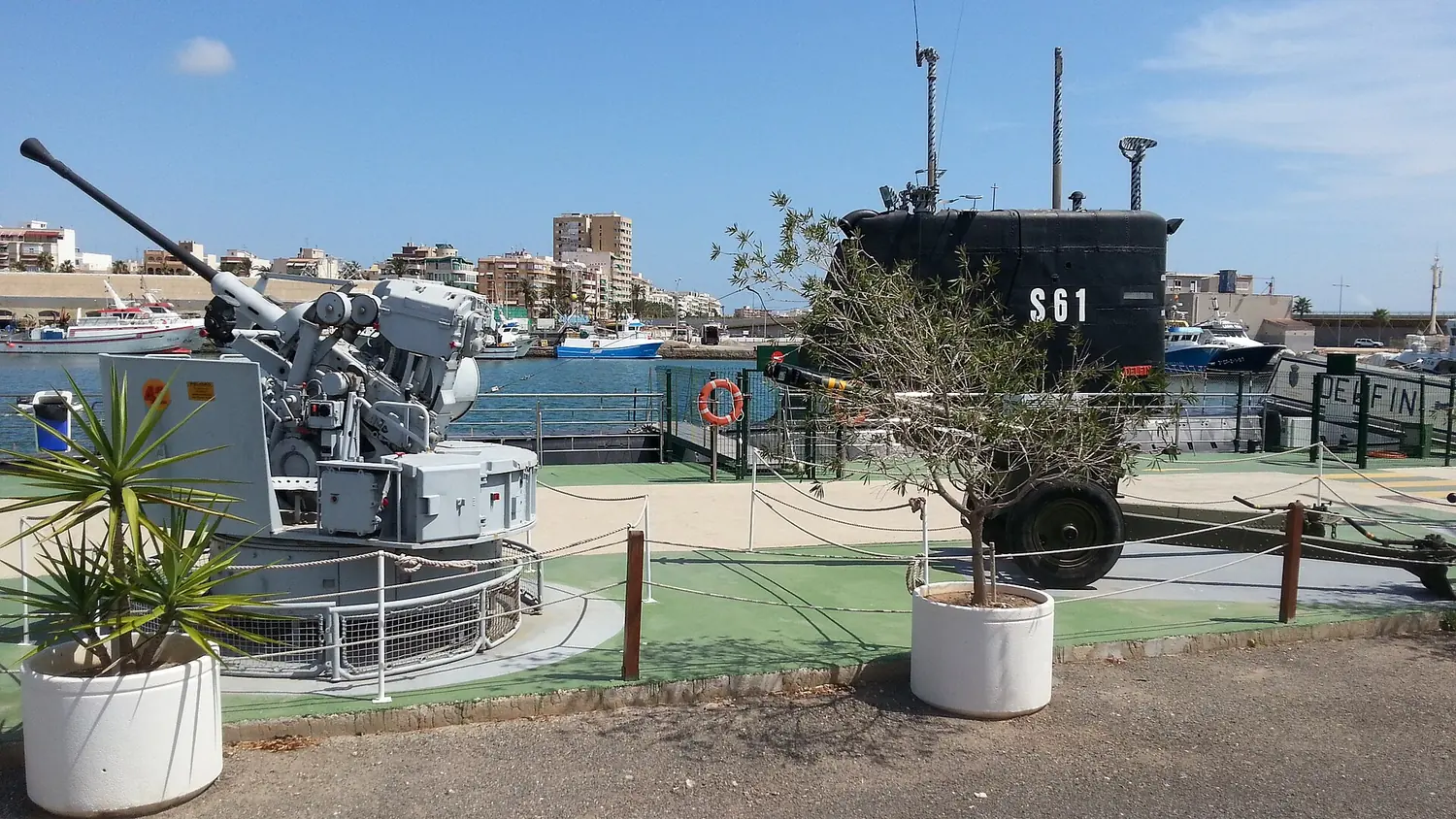
Two museum ships lie in the harbour: the S-61 Delfín submarine, which in 2004 became the first Spanish Navy vessel turned into a museum, and the Albatros III patrol boat. Tickets cost only a few euros. Children must be at least 1.15 metres tall for the submarine. From October to March you can also visit the schooner Pascual Flores, built in 1917.
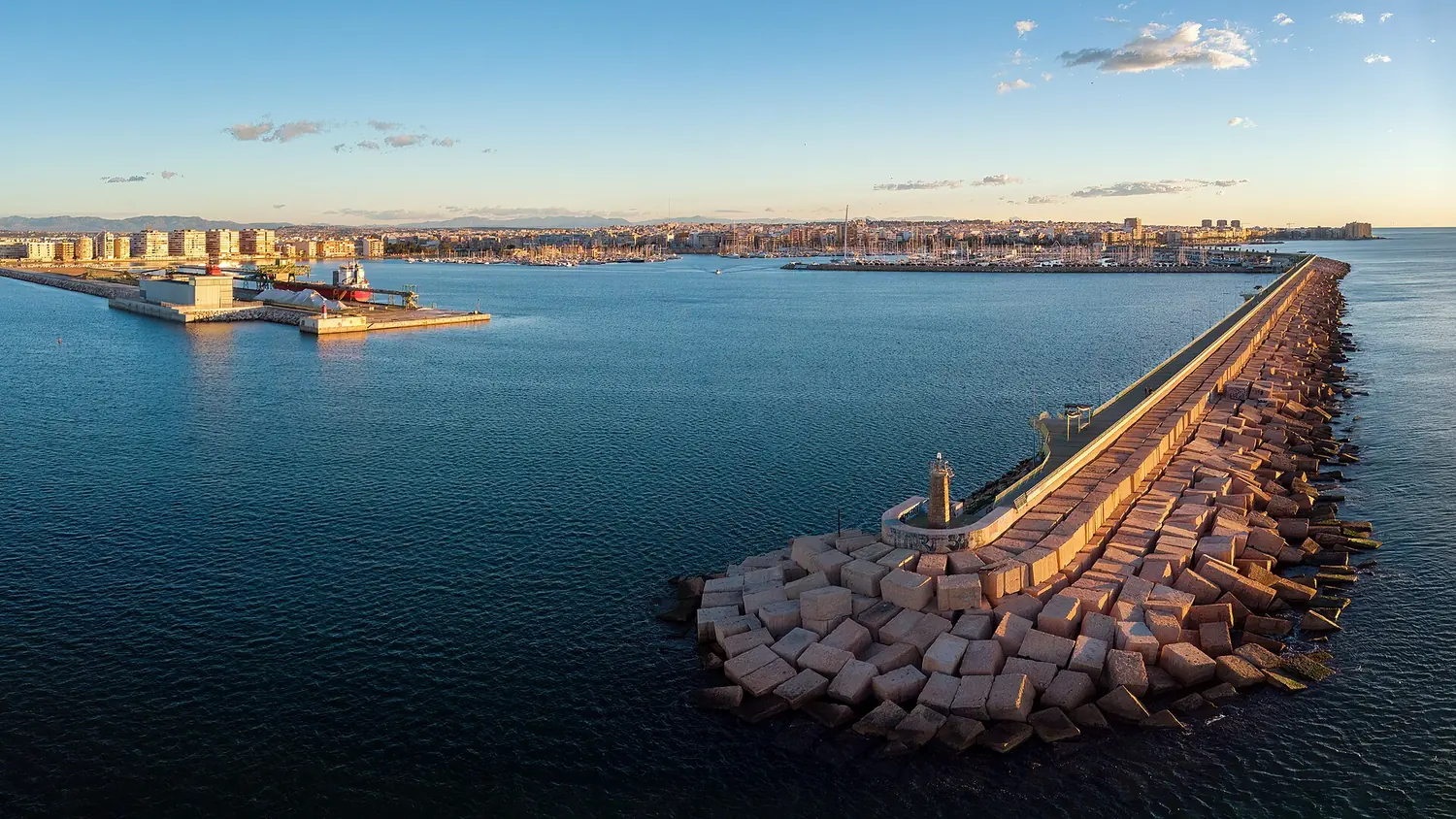
A lovely walk leads along the Dique de Levante, the long breakwater with a cycle lane, to the lighthouse. A little further inland lies the Parque de las Naciones: over 35,000 square metres laid out like a map of Europe, with a lake in the middle.
Our walk
- Eras de la Sal: where the town began.
- Paseo Juan Aparicio: over the rocks to the Bella Lola.
- Church and Casino: two buildings from the years after the earthquake.
- Paseo Vista Alegre: pergola, harbour and museum ships.
- Dique de Levante: along the breakwater to the lighthouse.
Town beaches and quiet coves
Torrevieja has 14 kilometres of coast, with sandy beaches right in the centre, long beaches to the north and small coves in between. In 2026 six beaches fly the Blue Flag: Cala Piteras, Los Náufragos, El Cura, Los Locos, Cabo Cervera and La Mata South.
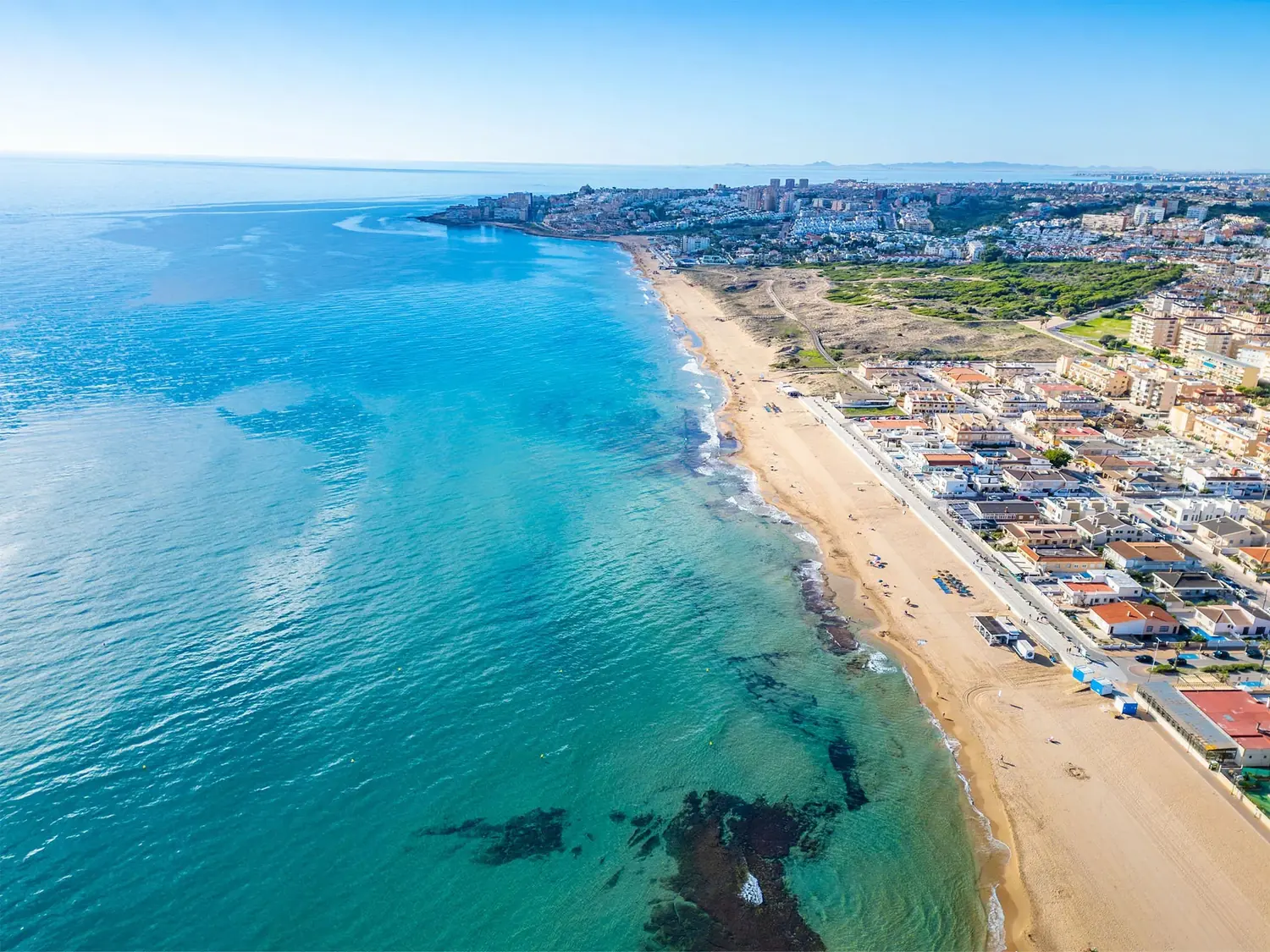
Four favourites - from the centre heading north

Bathing platforms and small pools between the rocks, perfect for a quick dip right in town.
Photo: Lander Ugarte · CC BY-SA 2.0 / Wikimedia Commons
Around 760 metres of sand in front of a promenade with bars and restaurants, popular with families. The name comes from an early 20th-century sanatorium.
Photo: Ximonic (Simo Räsänen) · CC BY-SA 4.0 / Wikimedia Commons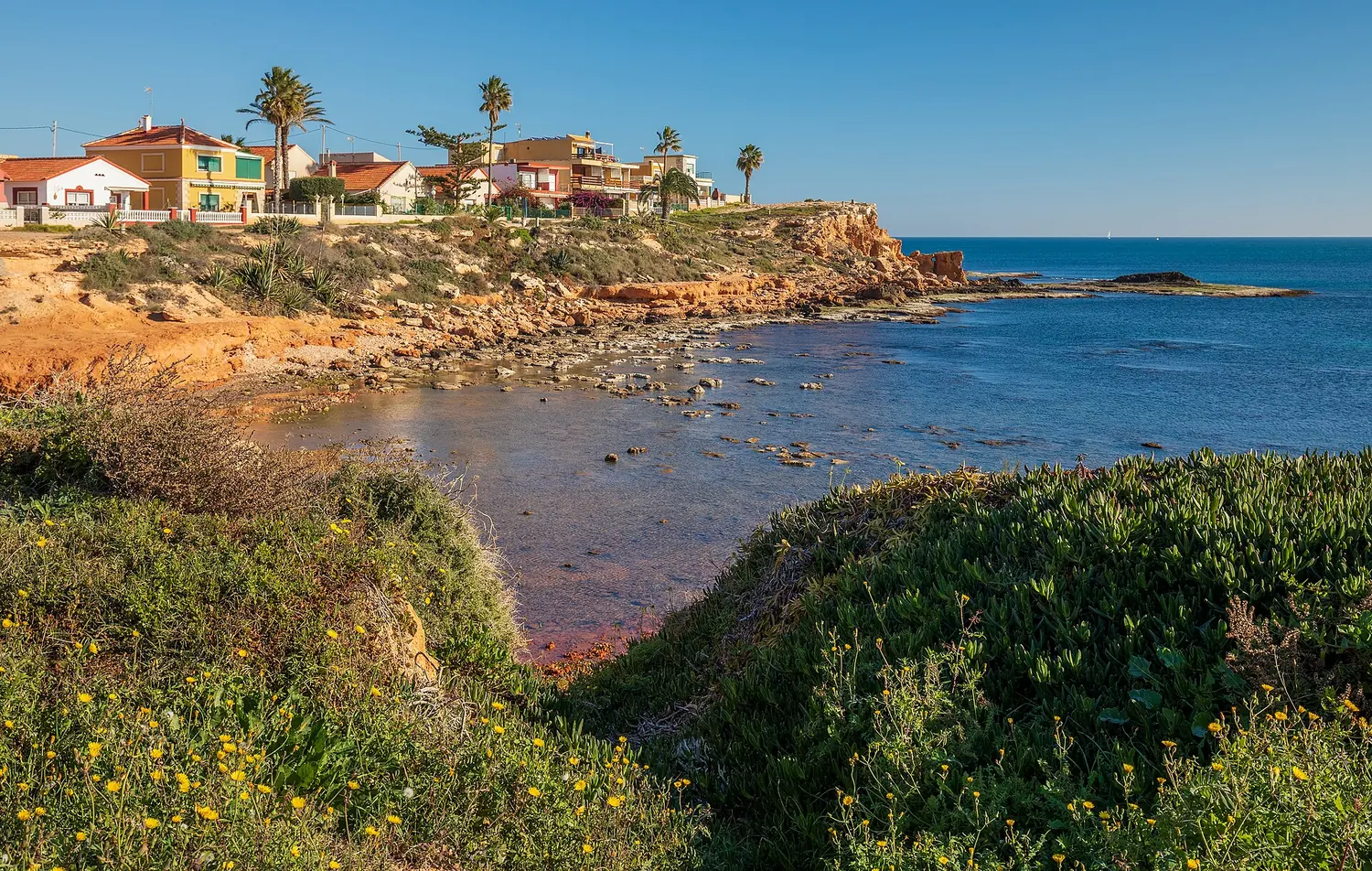
A small rocky cove near Los Locos. Further north come Cala Piteras, with seagrass meadows for snorkelling, and Cabo Cervera with the old Torre del Moro watchtower.
Photo: Ximonic (Simo Räsänen) · CC BY-SA 4.0 / Wikimedia Commons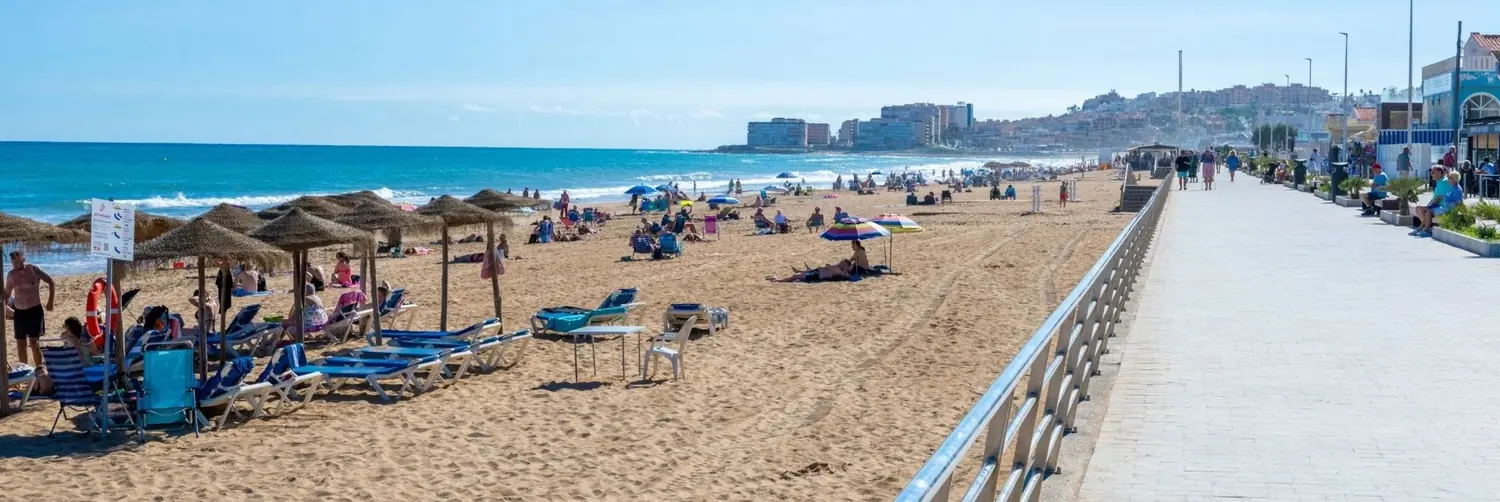
At around 2.4 kilometres the town's longest beach, with the Molino del Agua dune park at its southern end. It is quieter here than in the centre.
Photo: Ayuntamiento de Torrevieja · © Ayuntamiento de Torrevieja / turismo.torrevieja.es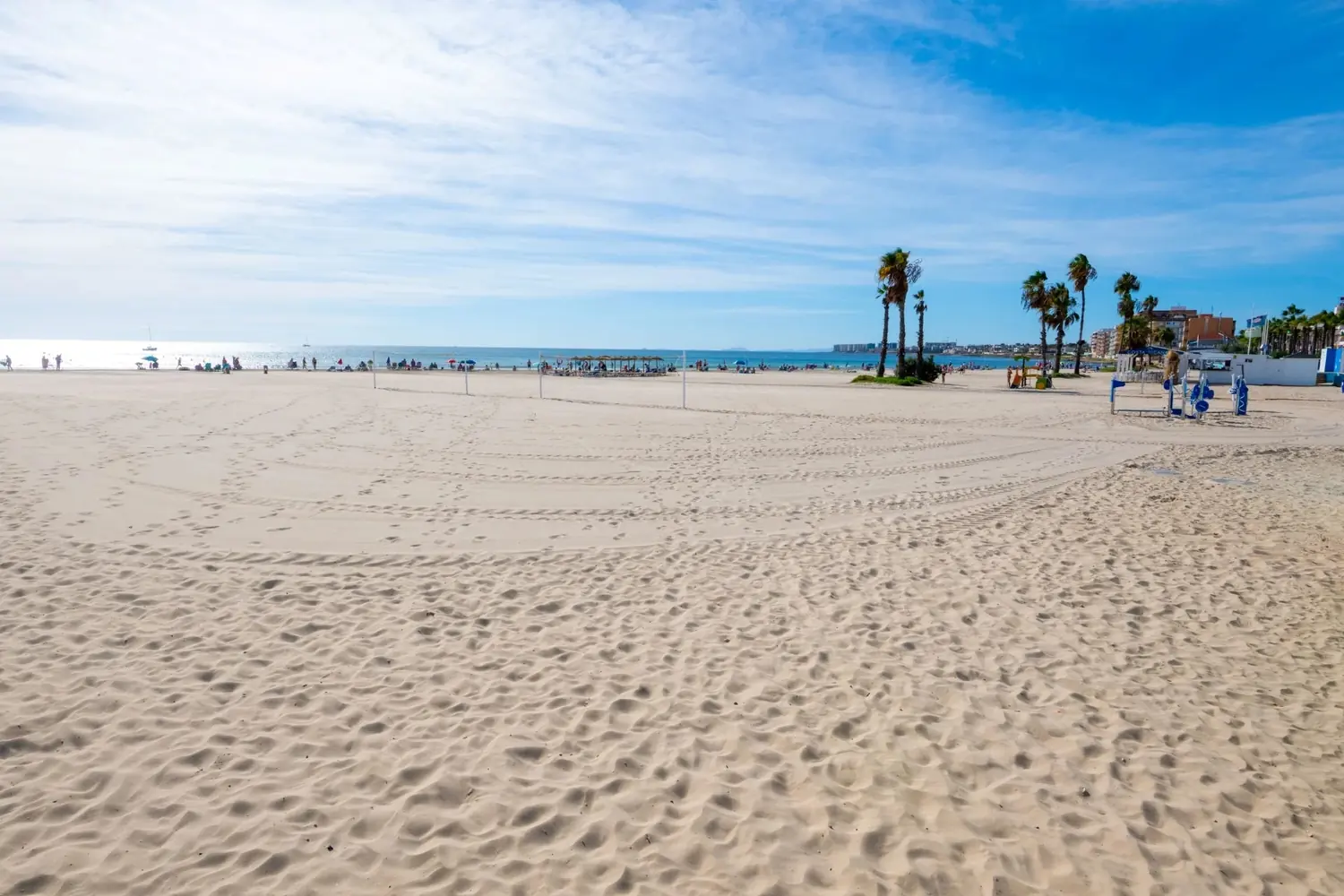
Calm, shallow water and plenty of space are on offer at Playa de los Náufragos near the harbour, one of the Blue Flag beaches. Dogs are allowed at the small Cala del Rocío between Cala Ferris and Cala Piteras. From mid-June to mid-September several beaches offer bathing assistance for people with reduced mobility, by appointment.
Habaneras, processions and festivals
The salt ships once sailed as far as the Caribbean, and they brought back the habaneras, songs with a Cuban rhythm. Since 1955 Torrevieja has hosted the international habaneras and choral music contest every summer, a Festival of International Tourist Interest. In July 2026 it was held for the 72nd time.
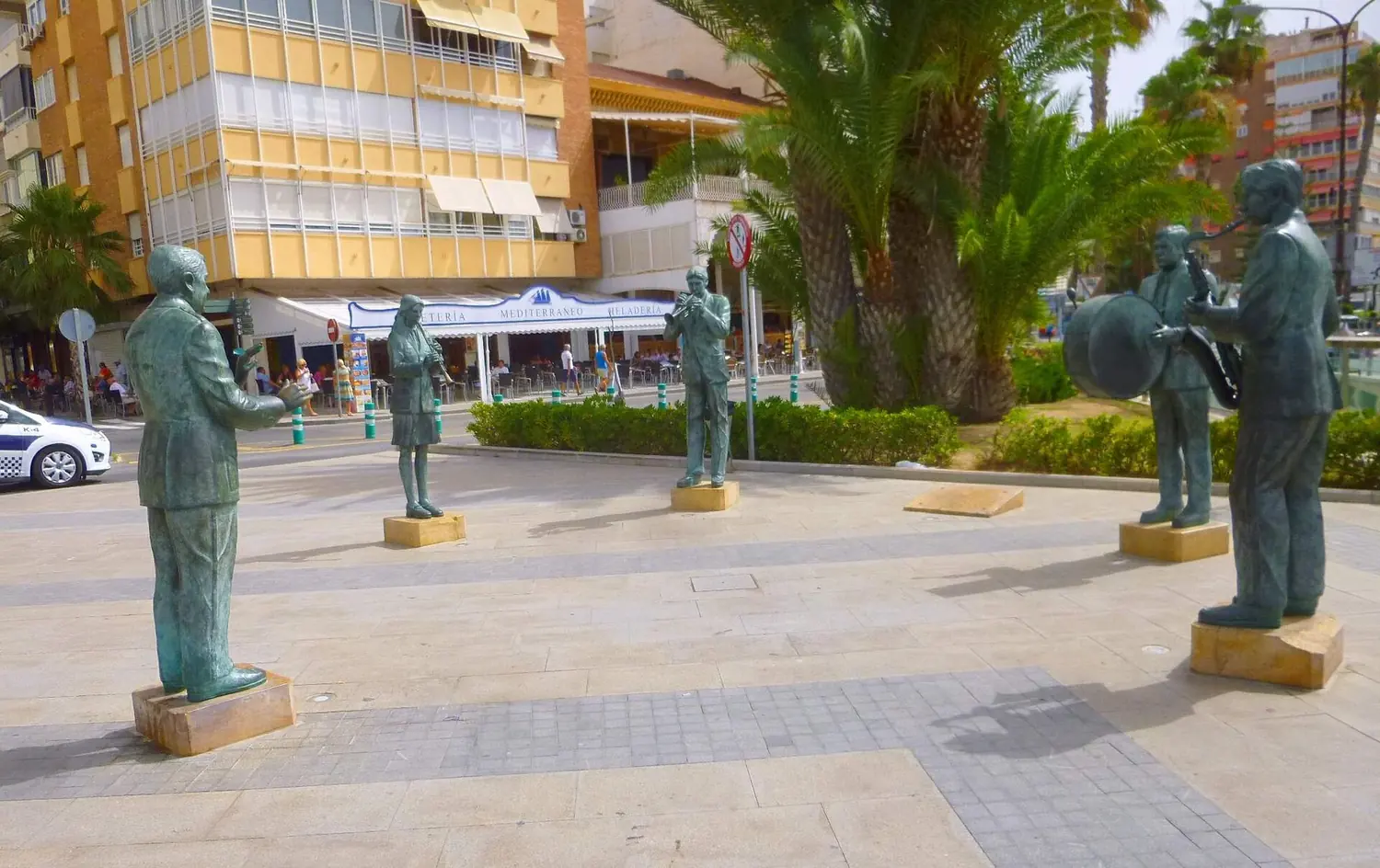
On 16 July, the day of the Virgen del Carmen, a procession of boats sails across the bay. The patron saint, La Purísima, is celebrated until 8 December with a large procession on that day. In May the Feria de Mayo brings an Andalusian atmosphere, and on 5 January the Three Kings arrive by ship.

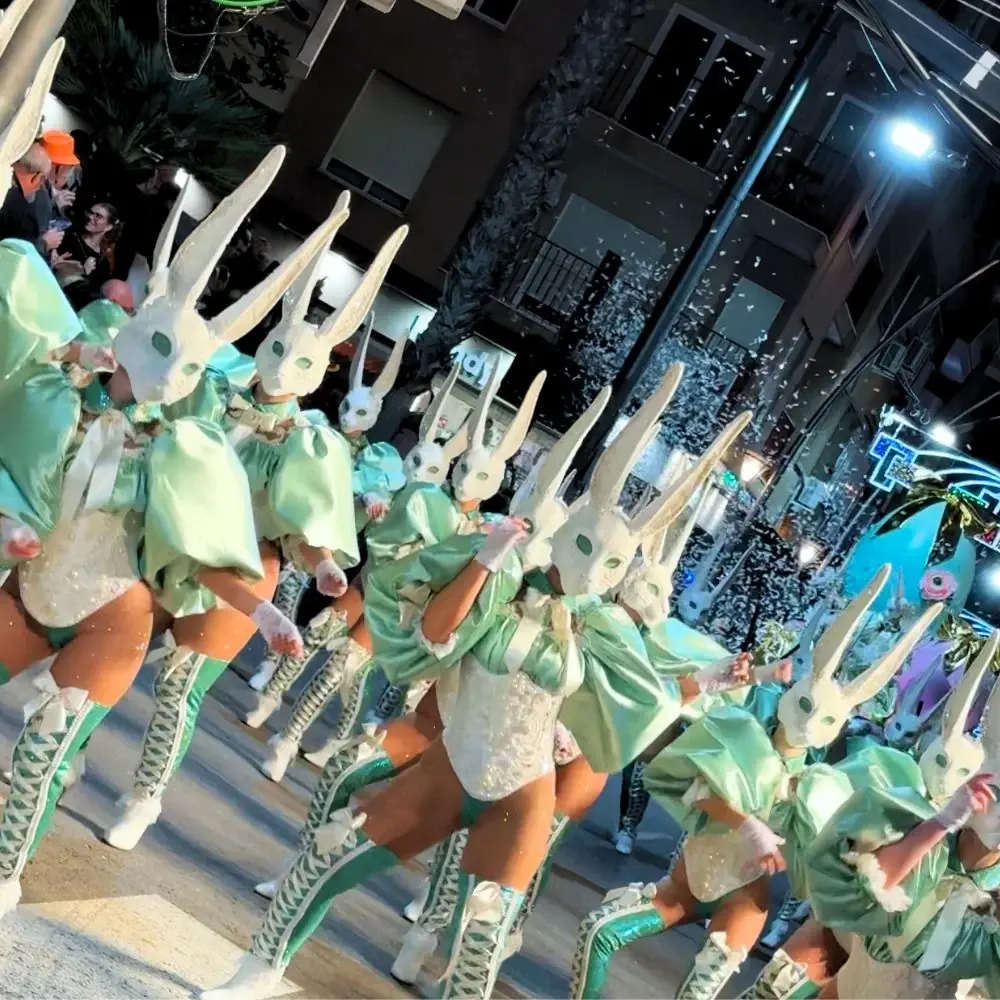
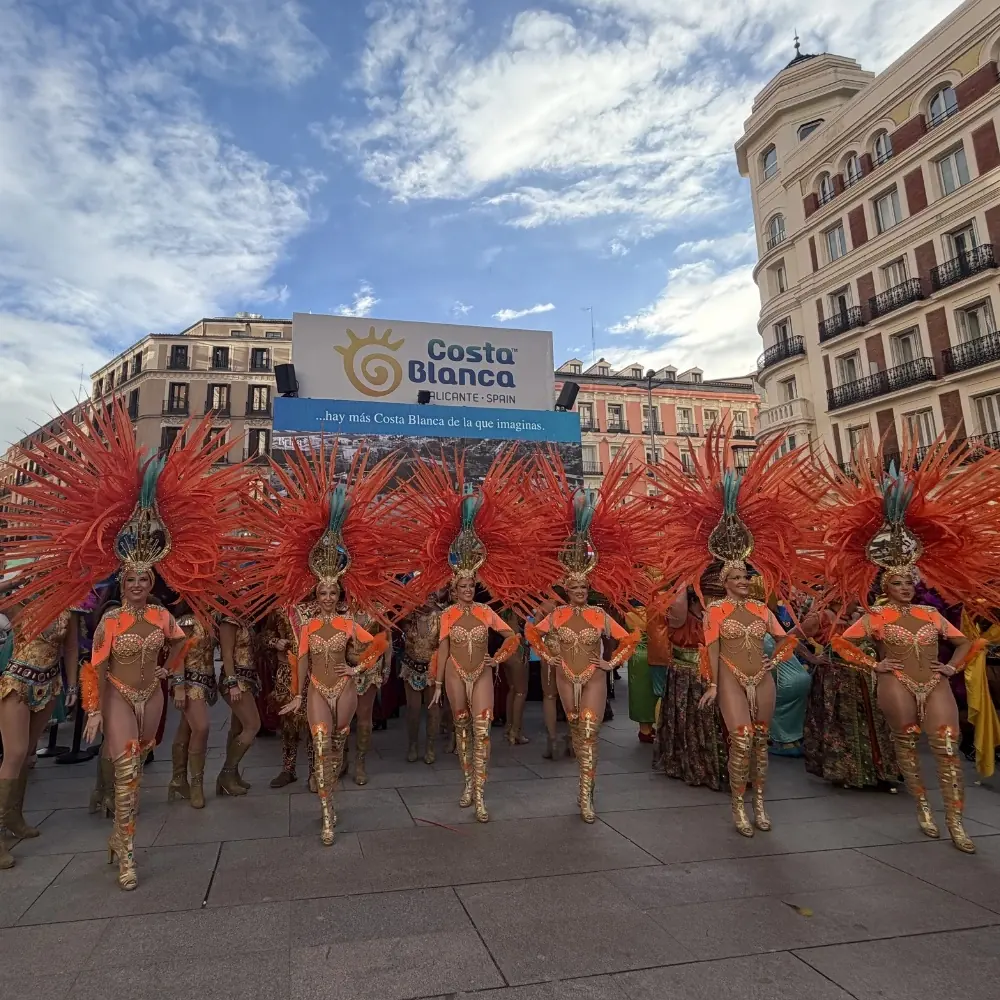
Add to that the carnival, Holy Week with 14 brotherhoods, the San Juan bonfire on 23 June and plenty of summer concerts. For families there is also a large water park.
Caldero, octopus and weekly markets
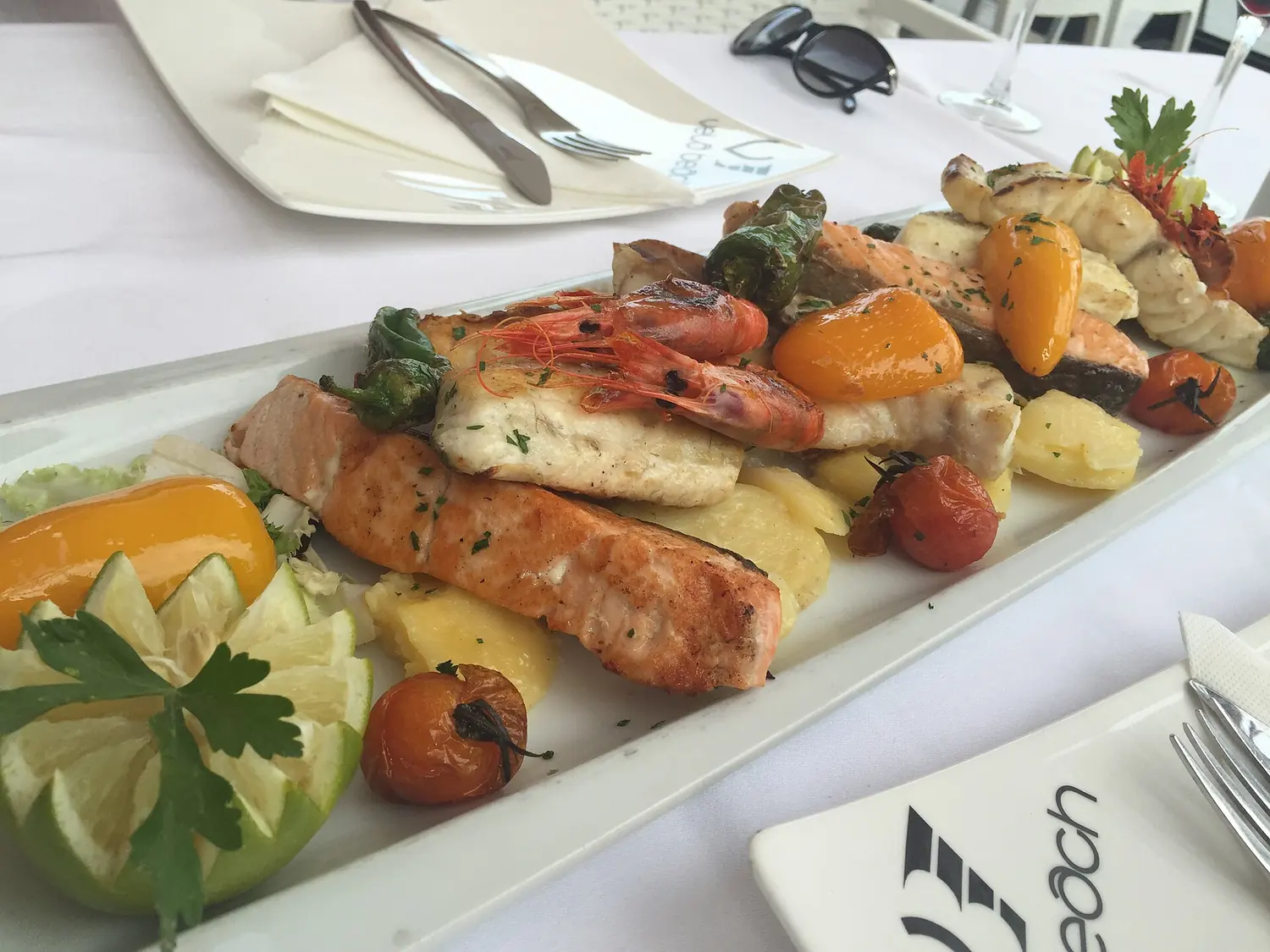
The cooking is all about the sea. Typical of Torrevieja are caldero, a rice dish with a rich rock-fish stock and alioli, and pulpo seco, air-dried octopus. Salt boats make a lovely souvenir: models sunk in the lagoon until they are completely covered in salt crystals.
The big weekly market is on Fridays on Avenida Delfina Viudes next to the water park, and La Mata has a market on Wednesdays on Avenida de Francia. The historic market hall La Plasa is currently being turned into a market with stalls and food counters. In November the town hosts a tapas route.
Torrevieja in one day
- 09:30Salt lagoons
The La Mata visitor centre or a guided eco-route while it is still cool.
- 12:00Town and harbour
Eras de la Sal, Paseo Juan Aparicio and the museum ships.
- 14:00Lunch
A caldero or fresh fish in a restaurant by the harbour.
- 16:00Beach
Los Locos in town or snorkelling at Cala Piteras.
- 19:30Evening light
Up to the Torre del Moro on Cabo Cervera or along the breakwater to the lighthouse.
Day trips nearby
Torrevieja lies in the south of the Costa Blanca, close to the Murcia region. There is no railway station, so a car is the easiest way to explore.
A pine forest on the dunes, planted in the early 20th century, and long sandy beaches.
An old town centre on the Segura river and large residential areas inland.
A historic town with a cathedral, churches and palms along the river.
The Palmeral palm grove is a UNESCO World Heritage Site.
A salt-water lagoon with calm, warm water and the narrow La Manga strip.
A port city with a Roman theatre and fortresses.
In season, boats leave from Torrevieja harbour.
A popular place. But the right one for you?
For many people, Torrevieja is the first name that comes to mind on the southern Costa Blanca: plenty of choice, an international community and shops open all year. Both airports, Alicante-Elche and Región de Murcia, are around 40 minutes away, and a direct bus runs from Alicante airport into town. Torrevieja's university hospital has been back in public hands since 2021.
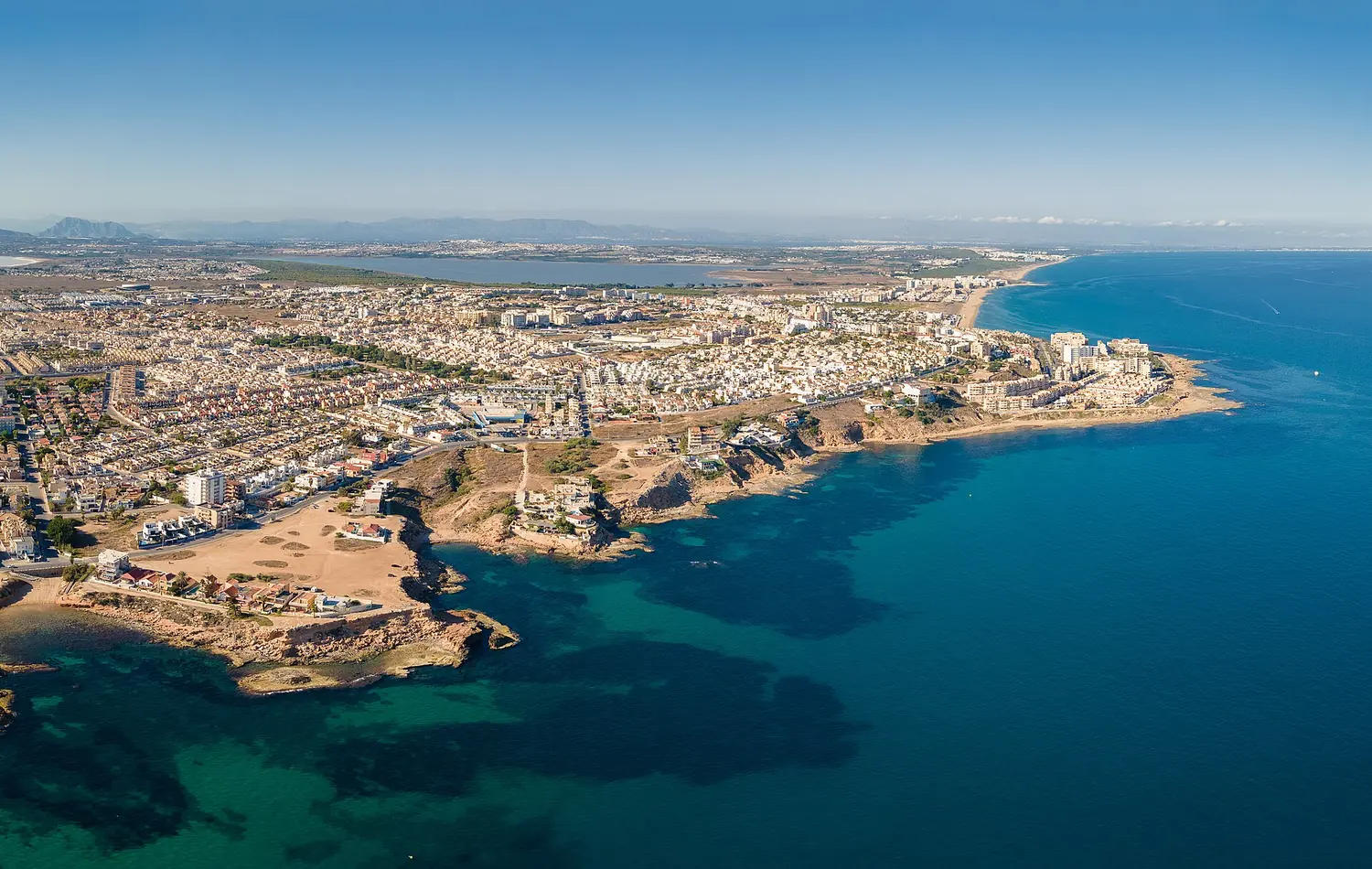
To be honest, there are downsides too. Around 69 per cent of homes are not a main residence, so some residential areas are quiet in winter. In summer, by contrast, the population grows strongly and streets and beaches are full. The centre, La Mata and the inland urbanisations are worlds apart, including in how far you have to go to the beach and the shops.
We are not aware of any moratorium on holiday rentals in Torrevieja (as of November 2026). The rules of the Valencia region apply: the town hall must confirm planning compatibility, registration is valid for five years, and in buildings with an owners' association three fifths of the owners now have to agree.
First understand the location. Then choose the property.
CASA READY is not tied to any single developer. We compare options, talk about everyday life and running costs, and on request also take care of furnishing and property management.
Talk to CASA READY ↗- Check the municipality and district carefully
- See the area in summer and in winter
- Clarify licensing and community rules
- Test routes to the beach, doctor and airport
Frequently asked
Can you swim in the pink lagoon?
No. Bathing in the nature park's lagoons is forbidden, as is taking salt. There are plenty of beaches in town for swimming.
When is the best time to visit?
Spring and autumn are especially pleasant. The weather station at Alicante airport records an average of around 2,950 hours of sunshine a year and 18 degrees, with a January daily mean of almost 12 degrees. July and August are hot and busy.
How many days do you need for Torrevieja?
One day is enough for the lagoons, the town and an afternoon on the beach. With two or three days you can add eco-routes, coves and a day trip.
Is Torrevieja a good place for a second home?
It suits you well if you value an international community, plenty of choice and short distances to the airport. Check the district and municipality in person, ideally also out of season.
Can I rent out an apartment to holidaymakers?
We are not aware of a moratorium (as of November 2026). The rules of the Valencia region apply, and the owners' association has to agree. Before a purchase we check the situation individually.